RCMP Quietly Testing AI-Drafted Police Reports from Body Camera Audio in Alberta and B.C.
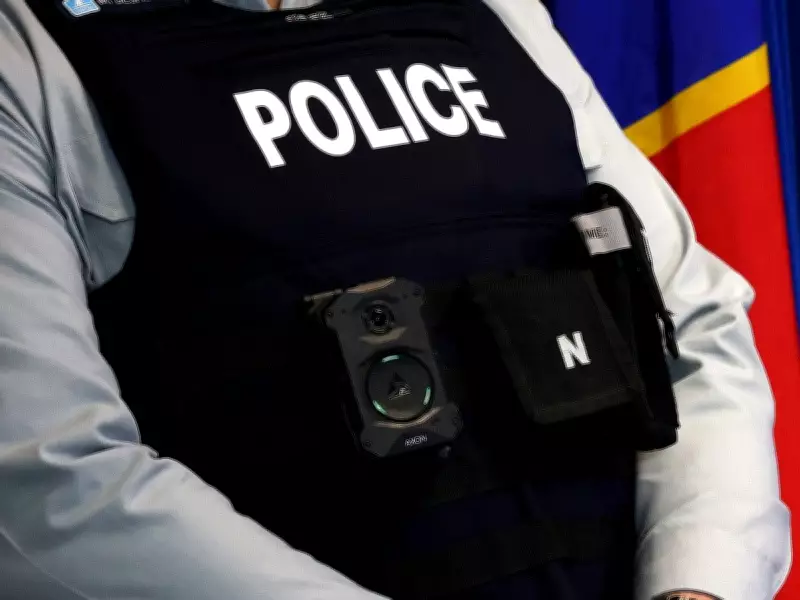
In a significant technological shift for Canadian law enforcement, the Royal Canadian Mounted Police (RCMP) has been quietly testing artificial intelligence software that automatically drafts police reports based on audio captured from officers' body-worn cameras. The pilot project, which began in July and spans eight British Columbia and two Alberta detachments, represents a bold move toward integrating AI into daily policing operations.
Pilot Project Details and Objectives
The RCMP launched this year-long pilot with a budget of up to $200,000, utilizing Draft One software developed by Axon, the U.S.-based public safety technology company that supplies the RCMP's body cameras. According to RCMP spokesperson Marie-Eve Breton, the primary goal is to evaluate whether this AI tool can "improve and reduce the amount of time officers spend writing reports, freeing up more time to do active policing, rather than administrative tasks."
Breton emphasized that the pilot remains ongoing, with careful monitoring of its effectiveness and implications. The force's first public acknowledgment of using Axon's Draft One appeared recently in its 2026-2027 Departmental Plan report, despite the project having been active for over six months.

How the AI Reporting System Works
The process involves uploading audio from officers' body cameras into the AI transcription service, which then generates a draft incident report automatically. However, the RCMP has implemented several safeguards to ensure accuracy and accountability:
- Officers must review and sign off on every AI-generated report before submission
- They are required to change at least 10% of the draft content
- Any obvious errors intentionally inserted by the software must be removed
- Only audio is used—video footage and facial recognition features are excluded from this pilot
Breton explained: "Once these conditions have been met and the draft is fully reviewed, officers are required to sign off on the accuracy of the report via an electronic acknowledgement."
Expert Concerns and Critical Perspectives
The testing comes amid broader discussions about police forces harnessing artificial intelligence, with special interest groups and security experts raising concerns about potential impacts on civil rights, privacy, and surveillance risks. Christopher Schneider, a professor at Brandon University in Manitoba who has studied body cameras in policing for over a decade, expressed multiple reservations about the RCMP's AI testing.
"A police officer's report is normally informed by what they hear, see and analyze during an interaction; far more information than simply audio captured by a body camera's microphone," Schneider noted. He emphasized that police discretion represents a crucial element of policing that AI cannot replicate, potentially stripping away valuable contextual understanding from initial reports.
Broader Context and Future Implications
This pilot project unfolds as the RCMP continues its nationwide rollout of body cameras, which began in late 2024. The force has explicitly stated it will not test Axon's facial recognition features during this pilot, unlike the Edmonton Police Service which has explored similar technology. The RCMP's approach appears more cautious, focusing specifically on administrative efficiency rather than expanding surveillance capabilities.
As police agencies across Canada and internationally seek technological solutions to streamline operations, the RCMP's experiment with AI-drafted reports represents a significant test case. The outcomes could influence how law enforcement agencies globally approach report-writing automation, balancing potential time savings against concerns about accuracy, discretion, and the fundamental nature of police documentation.
The pilot's results will likely inform future decisions about broader implementation across RCMP detachments, potentially transforming how officers document interactions and manage administrative workloads in an era of increasing technological integration in public safety.