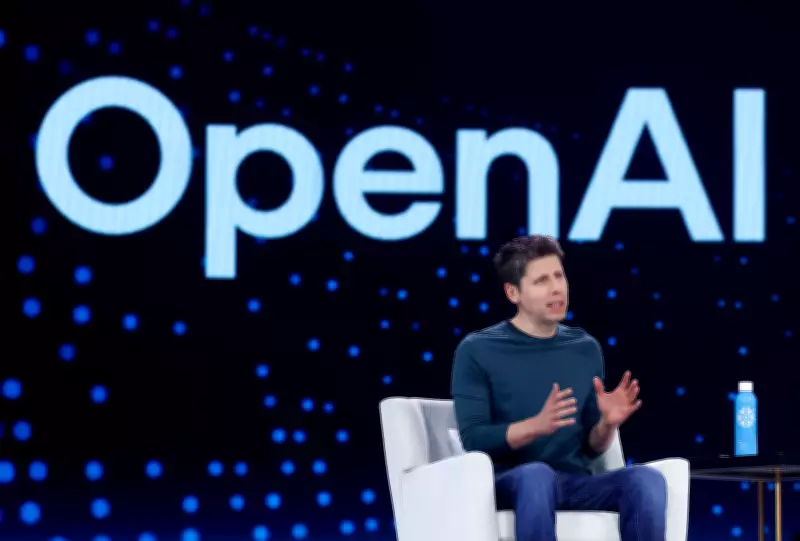
OpenAI Faces Internal Backlash Over Controversial Pentagon Partnership
Significant internal turmoil has erupted at OpenAI, the leading artificial intelligence research company, following the announcement of a new contract with the United States Department of Defense. Multiple staff members have expressed intense frustration and ethical concerns regarding the company's decision to engage in military-related projects, according to sources familiar with the matter.
Employee Outrage and Ethical Dilemmas Surface
The deal, which involves providing advanced AI systems and expertise to the Pentagon, has sparked a fierce debate within OpenAI's workforce. Employees are reportedly fuming over what they perceive as a betrayal of the company's founding principles, which historically emphasized the development of safe and broadly beneficial artificial intelligence. This internal conflict highlights the growing tension between commercial opportunities in the defense sector and the ethical guidelines promoted by many in the tech industry.
"This move fundamentally challenges our commitment to ensuring AI benefits all of humanity," one anonymous employee stated, reflecting a sentiment echoed by several colleagues. The staff concerns center on the potential applications of OpenAI's technology in warfare, surveillance, and other military operations that could conflict with stated ethical frameworks.

Broader Implications for AI Governance and Military Readiness
This controversy arrives at a critical juncture for both the artificial intelligence sector and national security infrastructure. The Pentagon's increasing reliance on private AI firms like OpenAI underscores a strategic shift towards integrating cutting-edge commercial technology into defense systems. However, this partnership raises profound questions about AI readiness in military contexts and the adequacy of existing governance structures to manage the risks associated with autonomous or semi-autonomous systems.
Industry analysts note that the dispute could inadvertently bolster the reputation of competitors, such as Anthropic, which has positioned itself with a strong focus on AI safety. Meanwhile, the situation forces a re-examination of how tech companies navigate contracts with government entities, particularly those involved in national defense. The internal backlash at OpenAI serves as a stark reminder of the workforce's power to influence corporate direction on morally charged issues.
Leadership and Corporate Transparency Under Scrutiny
Under the leadership of CEO Sam Altman, OpenAI has pursued an aggressive expansion strategy, seeking partnerships across various sectors. The Pentagon deal represents one of the most high-profile and contentious agreements in the company's history. Critics argue that the decision was made without sufficient internal dialogue or consideration of the ethical apprehensions held by a significant portion of the employee base.
The lack of transparency surrounding the contract's specific scope and the intended use of AI technologies has further fueled the discontent. Employees are demanding clearer communication from management regarding the nature of the work and the safeguards implemented to prevent misuse. This incident highlights a broader challenge within the tech industry: balancing innovation and profitability with social responsibility and ethical integrity.
As the debate continues, the outcome at OpenAI may set a precedent for how other AI firms approach similar opportunities with defense and intelligence agencies. The resolution of this internal conflict will be closely watched by policymakers, ethicists, and the global tech community, as it could shape the future trajectory of artificial intelligence development and its integration into national security frameworks.