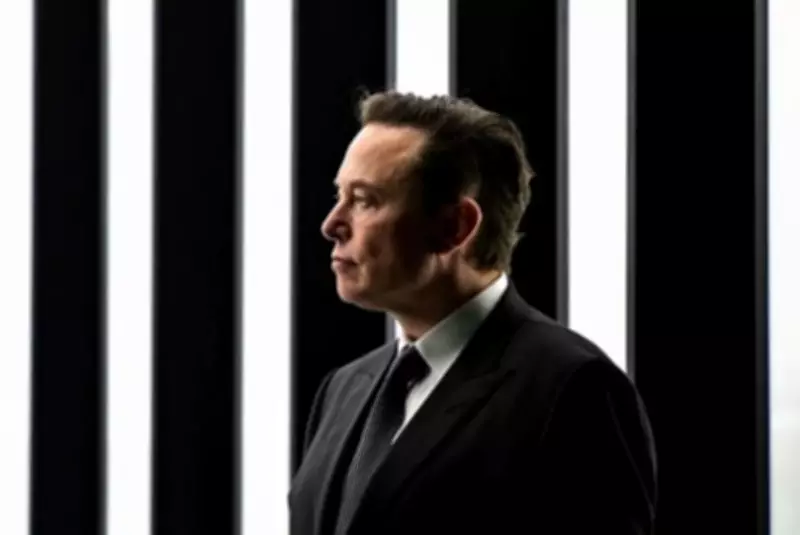
In a significant announcement, tech mogul Elon Musk has declared that his companies SpaceX and Tesla will establish advanced semiconductor chip manufacturing facilities in Austin, Texas. This move represents a substantial investment in domestic chip production capabilities, aiming to bolster supply chain resilience and technological innovation.
Strategic Expansion into Semiconductor Manufacturing
The decision to build these chip factories underscores Musk's broader strategy to vertically integrate key components for his enterprises. By producing their own semiconductors, SpaceX and Tesla can reduce reliance on external suppliers, potentially accelerating development timelines for aerospace and electric vehicle technologies. This initiative aligns with growing global efforts to onshore critical electronics manufacturing amid geopolitical tensions and supply chain disruptions.
Implications for the Tech and Automotive Industries
The Austin-based facilities are expected to focus on cutting-edge chip designs tailored for artificial intelligence, autonomous systems, and space exploration hardware. Industry analysts suggest this could give Tesla a competitive edge in the EV market by optimizing battery management and self-driving features, while SpaceX may enhance its satellite and spacecraft performance. The project is likely to create thousands of high-skilled jobs, further cementing Austin's reputation as a tech hub.

Musk's announcement comes as governments worldwide push for greater semiconductor self-sufficiency, with the U.S. recently passing legislation to subsidize domestic chip production. The factories' exact scale and investment figures remain undisclosed, but they are anticipated to be among the most advanced of their kind, leveraging Tesla's manufacturing expertise and SpaceX's engineering prowess.