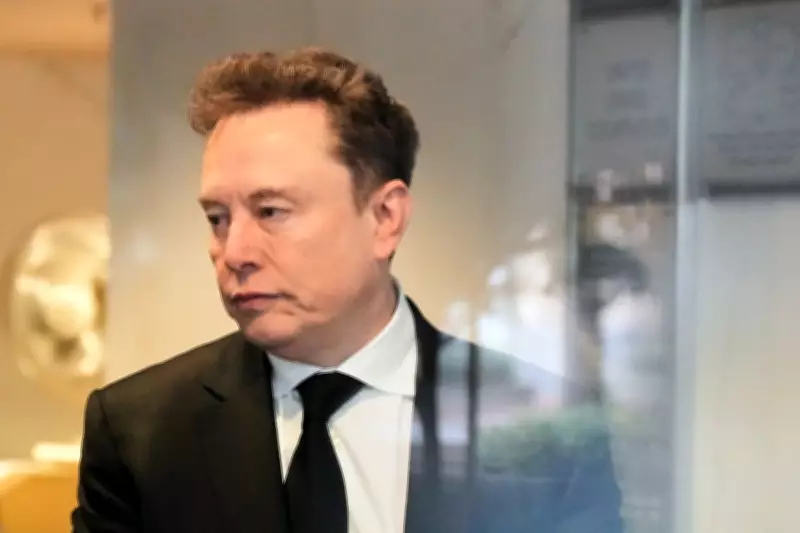
Elon Musk arrived at the U.S. District Court in Oakland, California, on Tuesday, April 28, 2026, to face intense questioning over his claims regarding artificial intelligence profits at OpenAI. The trial, which has drawn significant attention, revolves around Musk's allegations that OpenAI, the company he co-founded, has strayed from its original nonprofit mission by prioritizing financial gains.
Trial Focuses on OpenAI's Shift in Mission
During the proceedings, Musk was grilled by OpenAI's legal team about his understanding of the company's financial strategies and profit motives. The defense argued that OpenAI's transition to a capped-profit model was necessary to attract investment and advance AI research. Musk, however, maintained that the company's current trajectory undermines the ethical principles it was built upon.
Key Testimony and Reactions
Musk testified that he believed OpenAI's original charter emphasized safety and transparency over profitability. He expressed concerns that the company's recent partnerships and product launches prioritize commercial success over public benefit. The trial has also highlighted internal communications and emails that may shed light on the company's strategic decisions.

Outside the courtroom, supporters and critics of Musk gathered, reflecting the polarized views on AI development. The case is expected to set a precedent for how AI companies balance innovation with ethical responsibilities.
As the trial continues, observers anticipate further revelations about OpenAI's governance and Musk's role in its early years. The outcome could have far-reaching implications for the AI industry and regulatory oversight.