Tech Titans Meta and Tesla Ramp Up AI Investments in High-Stakes Battle
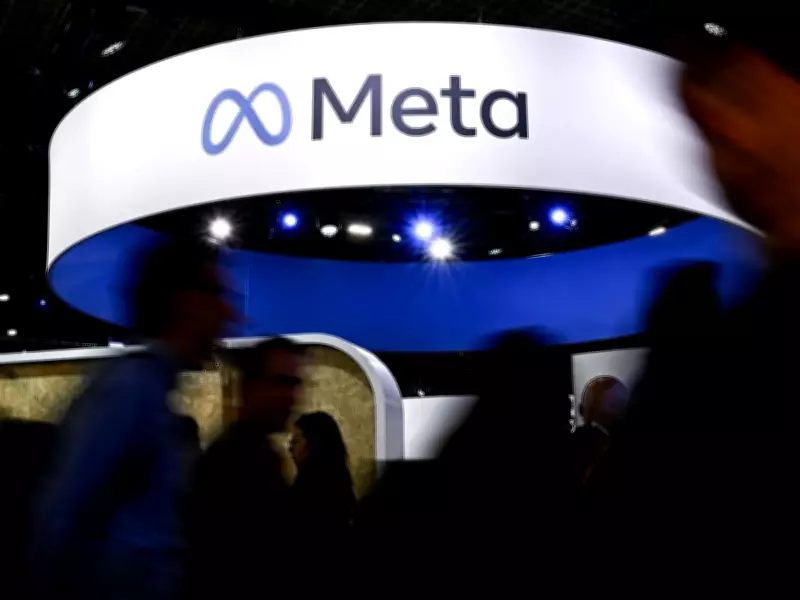
In a dramatic escalation of the artificial intelligence arms race, Meta Platforms Inc. has announced plans to double its capital expenditures this year to as much as US$135 billion. This massive investment represents an all-in bet on AI supremacy as American technology giants compete fiercely for dominance in the next wave of technological innovation.
Tesla Joins the Fray with Substantial AI Commitments
Meanwhile, Tesla Inc. revealed it will spend approximately US$20 billion this year on artificial intelligence initiatives, self-driving vehicle technology, and robotics development. This figure nearly doubles Wall Street's previous estimates. Additionally, the electric vehicle manufacturer plans to invest another US$2 billion into CEO Elon Musk's xAI startup venture.
Musk emphasized the critical need for semiconductor independence, stating that Tesla must construct its own chip fabrication facility. "We're going to hit a chip wall if we don't do the fab," Musk warned during a recent podcast interview. "We've got two choices: hit the chip wall or make a fab."

Market Reactions and Investor Sentiment
The contrasting market responses to these announcements highlight the volatility surrounding AI investments. Meta's stock surged by as much as 11 percent in New York trading following better-than-expected earnings and reassurances about the viability of their spending plans. Meta CEO Mark Zuckerberg told investors to anticipate "a major AI acceleration" that has been developing within the technology sector for over a year.
In stark contrast, Microsoft Corporation faced significant investor skepticism despite reporting higher-than-anticipated quarterly capital expenditure numbers. The company's Azure cloud business barely met expectations, triggering a dramatic 12 percent share price decline during Thursday's trading session. This represents Microsoft's worst intraday drop in nearly six years, underscoring the fragile nature of current investor sentiment regarding artificial intelligence funding.
Global Supply Chain Implications
The unprecedented spending by technology hyperscalers has created ripple effects throughout global supply chains. Hardware manufacturers including Samsung Electronics Co. and SK Hynix Inc. reported profits that grew several-fold as demand for memory chips used in AI accelerators and data center servers skyrocketed. ASML Holding NV, the exclusive provider of advanced lithography machines necessary for cutting-edge semiconductor production, also exceeded market expectations significantly.
Sanjeev Rana, head of research at CLSA Securities Korea, observed that "the companies are spending real money on real stuff," reflecting expanding practical applications for artificial intelligence technology. However, he cautioned that "we are in uncharted territory in terms of valuations, share prices, the demand cycle. Everything is unprecedented."
Semiconductor Shortage Concerns Intensify
The enormous demand for AI infrastructure is exacerbating a global semiconductor supply-demand imbalance that threatens to disrupt multiple industries from consumer electronics to automotive manufacturing. While shortages of Nvidia and Advanced Micro Devices accelerators needed for AI development have persisted, investors are growing increasingly concerned about similar deficits in more fundamental memory components.
The availability of semiconductors represents a significant potential bottleneck to continued growth in the artificial intelligence sector. As technology companies commit unprecedented resources to AI development, the competition for limited semiconductor manufacturing capacity intensifies, creating both opportunities and challenges across the global technology landscape.