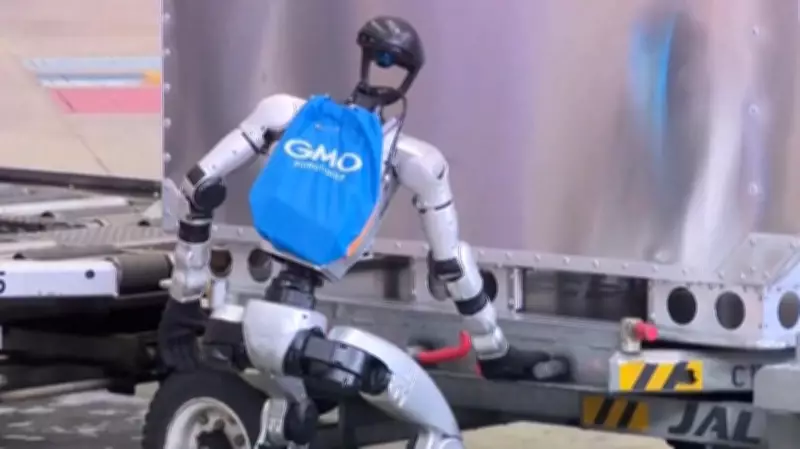
Japan Airlines has begun trialing humanoid robots to handle baggage at Tokyo's Haneda Airport, as the carrier grapples with a serious shortage of ground handling staff. The initiative, which started in late April 2026, aims to automate physically demanding tasks and free up human workers for more complex roles.
Robot Trial Details
The humanoid robots, developed by a Japanese robotics firm, are designed to lift and move luggage, reducing the physical strain on human workers. During the trial, the robots are being tested for safety, efficiency, and reliability in a real-world airport environment. Japan Airlines hopes that successful implementation could lead to broader adoption across its operations.
Addressing Labor Shortages
Japan has faced a persistent labor shortage, particularly in support roles like baggage handling, due to an aging population and strict immigration policies. The aviation industry has been hit hard, with ground staff shortages causing delays and increased workloads for existing employees. By deploying robots, Japan Airlines aims to maintain service levels and reduce operational disruptions.

The trial is part of a broader trend in the aviation sector toward automation, with other airlines and airports experimenting with robotic systems for tasks such as cleaning, security, and passenger assistance. However, humanoid robots remain a novel approach for baggage handling, requiring advanced AI and dexterity to handle irregularly shaped luggage.
Future Implications
If the trial proves successful, Japan Airlines may expand the use of humanoid robots to other airports and tasks. The company is also exploring partnerships with technology firms to develop more advanced robotic solutions. Meanwhile, labor unions have expressed concerns about job displacement, but the airline emphasizes that robots are intended to complement, not replace, human workers.
The trial at Haneda Airport, one of the busiest in Asia, is being closely watched by the global aviation industry as a potential model for addressing labor shortages through automation.