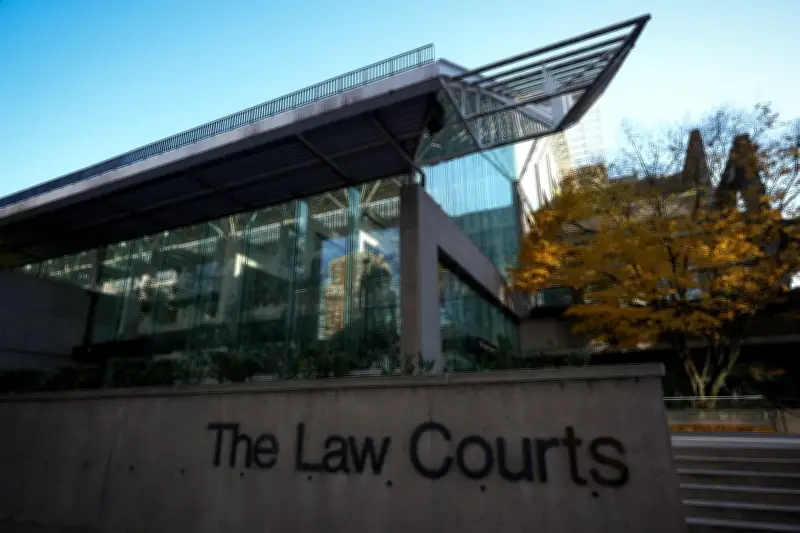
A lawyer specializing in technology law has warned that the emergence of artificial intelligence-fabricated legal citations in Canadian courts represents only the tip of the iceberg, with several cases already documented in British Columbia and Ontario. The phenomenon, where AI-generated text produces fake or nonexistent legal references, threatens to undermine the reliability of legal arguments and judicial decisions.
Growing Trend of AI-Generated Citations
According to Dorcas Marfo’s report, the warning comes from an expert who has tracked multiple instances of AI-hallucinated citations being submitted in court filings. In one case, a lawyer in British Columbia inadvertently cited a nonexistent case generated by an AI chatbot, while similar incidents have been reported in Ontario. The expert described these as “the tip of the iceberg,” suggesting that many more cases may go undetected.
“The legal profession relies on accurate citations to precedents,” the expert said. “When AI fabricates citations, it erodes trust in the entire system.” The phenomenon is not unique to Canada; courts in the United States and the United Kingdom have also grappled with AI-generated fake citations.

Impact on Legal Proceedings
Fake citations can lead to wasted court time, increased costs for litigants, and potential miscarriages of justice if judges rely on fabricated precedents. The Canadian Judicial Council has issued guidelines urging judges to verify citations, especially those that appear unusual or are from obscure sources. The Law Society of British Columbia has also reminded lawyers of their duty to ensure the accuracy of all materials submitted to courts.
“We are seeing a new type of professional misconduct,” the expert added. “Lawyers must be vigilant and not blindly trust AI tools.” The warning comes as courts across Canada adopt more digital tools, increasing the risk of AI-generated errors.
Broader Implications for AI in Law
The issue highlights the challenges of integrating AI into legal practice. While AI can streamline research and drafting, its tendency to “hallucinate” or invent information requires human oversight. The expert called for mandatory training for lawyers on the limitations of AI and for stricter rules on the use of AI-generated content in court filings.
“One decision will not kill Norad,” said U.S. Ambassador to Canada, in a separate but related context, emphasizing that isolated incidents should not derail broader technological progress. However, the ambassador also stressed the need for safeguards.
As of June 2026, no Canadian court has ruled on the admissibility of AI-generated citations, but several cases are pending. The legal community is watching closely, as the outcome could set a precedent for how AI is used in the justice system.