The Intersection of Faith and Artificial Intelligence
In an era where technology permeates every aspect of life, a new frontier is emerging at the crossroads of spirituality and artificial intelligence. From 'BuddhaBot' to affordable chats with an AI-generated Jesus, the faith-based tech boom is officially here, reshaping how individuals engage with religious and philosophical concepts through digital means.
The Rise of AI Spiritual Companions
Companies are increasingly developing AI-powered platforms designed to simulate conversations with religious figures or provide spiritual guidance. One notable example is 'BuddhaBot,' an AI chatbot that offers users insights inspired by Buddhist teachings, promoting mindfulness and meditation practices through interactive dialogue.
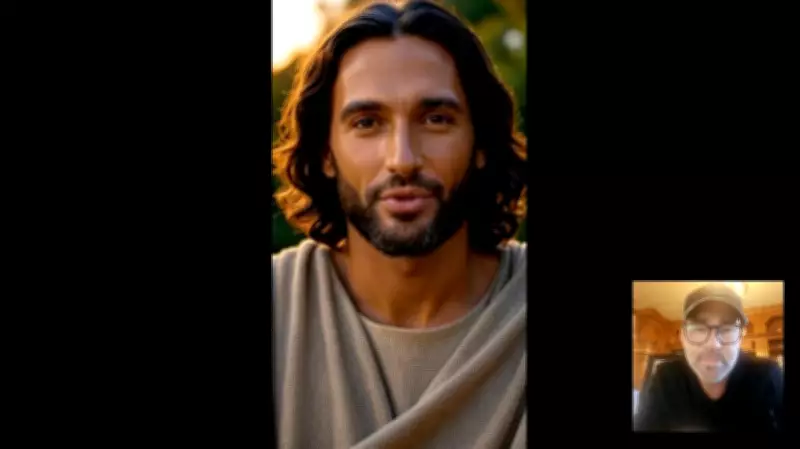
Meanwhile, a service called 'Just Like Me' has garnered attention for allowing users to chat with an AI-generated version of Jesus for just US$1.99. In a demonstration from April 2026, co-founder and investor Jeff Tinsley was shown interacting with this virtual Jesus, highlighting the personalized and accessible nature of these technologies.

Driving Factors Behind the Trend
This surge in faith-based tech is driven by several key factors. Increasing digitalization has made AI tools more accessible to the general public, while a growing demand for personalized spiritual experiences fuels innovation. Additionally, the COVID-19 pandemic accelerated the adoption of virtual religious services, paving the way for more immersive tech solutions.
Experts note that these platforms cater to a diverse audience, from devout followers seeking supplemental guidance to curious individuals exploring spirituality without traditional constraints. The affordability of services like the $1.99 AI Jesus chats lowers barriers to entry, making spiritual exploration more inclusive.
Ethical and Theological Considerations
However, this trend is not without controversy. Ethical concerns arise regarding the commercialization of faith, with critics arguing that monetizing AI religious figures could trivialize sacred beliefs. Theological debates also question the authenticity of AI-generated spiritual guidance, as some religious leaders emphasize the irreplaceable value of human connection and divine inspiration.
Proponents counter that these technologies can complement traditional practices, offering support in times of need or serving as educational tools. For instance, AI chatbots can provide instant answers to religious questions, making knowledge more accessible to those without access to clergy or communities.
Future Implications and Market Growth
The faith-based tech market is poised for significant expansion. Analysts predict that as AI becomes more sophisticated, we may see advancements such as virtual reality religious experiences or AI-driven prayer assistants. This could transform how rituals and ceremonies are conducted, blending ancient traditions with cutting-edge innovation.
In summary, the emergence of 'BuddhaBot' and AI Jesus chats marks a pivotal moment in the evolution of spirituality. As technology continues to advance, the intersection of faith and AI will likely deepen, offering new ways for people to connect with their beliefs while raising important questions about ethics and authenticity in the digital age.