Dinosaur Collagen Transformed into Exclusive Luxury Handbag
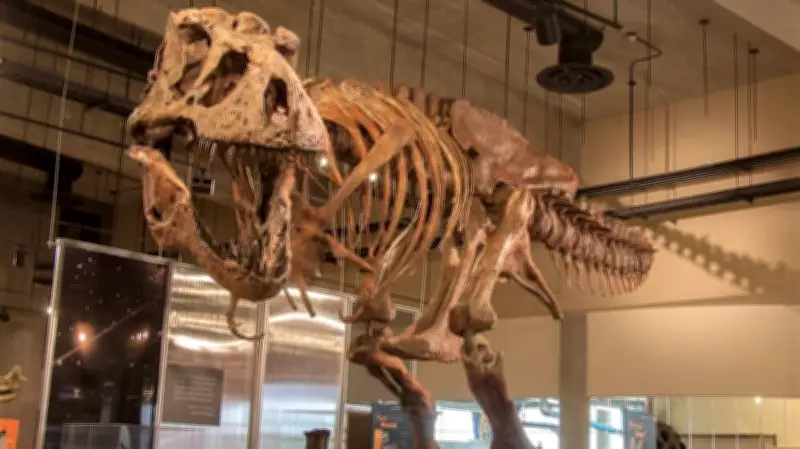
In a remarkable fusion of ancient science and modern luxury, researchers have successfully utilized collagen extracted from a dinosaur skeleton to craft a one-of-a-kind handbag. This innovative project centers on "Scotty," the largest dinosaur skeleton ever discovered in Canada, whose remains have provided the biological material for this unprecedented fashion item.
The Scientific Foundation
The process began with the careful extraction of collagen from Scotty's fossilized bones. Collagen, a structural protein found in connective tissues, was preserved over millions of years, allowing scientists to isolate and purify it for use. This material, typically studied for insights into prehistoric life, has now been repurposed in a creative application that bridges paleontology and design.
The handbag represents a significant achievement in material science, demonstrating how ancient biological compounds can be integrated into contemporary products. Researchers emphasized that the collagen was ethically sourced from museum specimens, ensuring no harm to ongoing scientific studies or fossil records.

Fashion Meets Paleontology
Designers collaborated closely with scientists to transform the dinosaur collagen into a durable, luxurious material suitable for fashion. The resulting handbag is not only unique in its composition but also showcases intricate craftsmanship, with details that highlight its prehistoric origins. This project challenges traditional boundaries between science and art, offering a tangible connection to Earth's distant past through a modern accessory.
The handbag's creation involved advanced techniques to stabilize and mold the collagen, ensuring it meets high standards of quality and aesthetics. It serves as a conversation piece, raising awareness about paleontological discoveries and the potential for scientific innovation in unexpected fields.
Implications and Future Prospects
This breakthrough opens new avenues for using ancient materials in luxury goods, potentially inspiring similar projects that blend history with contemporary design. Experts note that such initiatives could foster greater public interest in science, making paleontology more accessible and engaging through relatable products.
While the handbag is currently a singular item, its development highlights the growing trend of interdisciplinary collaboration. By merging expertise from paleontology, biochemistry, and fashion design, this project exemplifies how cross-sector partnerships can yield innovative outcomes that captivate both scientific and public audiences.
As research continues, there may be opportunities to explore other applications for dinosaur-derived materials, though ethical considerations and preservation priorities will remain paramount. For now, this unique handbag stands as a testament to human creativity and the enduring legacy of prehistoric life.