Anthropic Secures Court Order Pausing Trump Administration Ban on AI Technology
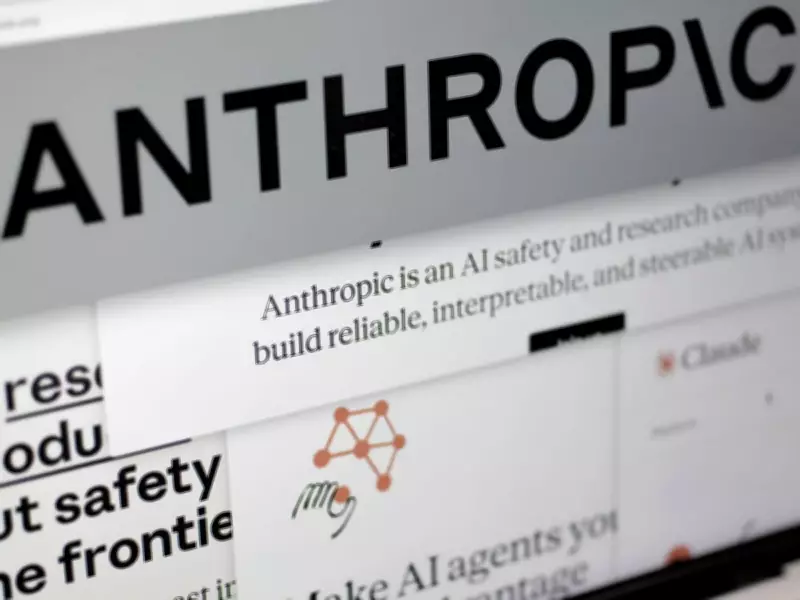
Anthropic PBC has achieved a significant legal victory after a federal judge issued a preliminary injunction blocking the Trump administration's ban on government use of the company's artificial intelligence technology. The ruling comes after the maker of the Claude chatbot argued that the prohibition could potentially cost the company billions in lost revenue and represented unconstitutional retaliation.
Judge Questions National Security Rationale
U.S. District Judge Rita F. Lin issued the injunction on Thursday, temporarily halting the administration's plan to sever all ties with Anthropic while the legal battle continues in San Francisco federal court. The judge placed the order on hold for seven days to provide the government with an opportunity to appeal the decision.
In her ruling, Judge Lin questioned the fundamental rationale behind the ban, stating that it did not appear to be genuinely directed at legitimate national security interests. "If the concern is the integrity of the operational chain of command, the Department of War could just stop using Claude," the judge wrote in her decision. "Instead, these measures appear designed to punish Anthropic." She characterized such actions as "classic illegal First Amendment retaliation" against the company.

Escalating Dispute Over AI Safeguards
The legal conflict escalated earlier this month when Anthropic filed a lawsuit to block a declaration by the Defense Department that the company posed a threat to the U.S. supply chain. This development represents a high-stakes dispute concerning safeguards on artificial intelligence technology utilized by military agencies.
At the heart of the disagreement lies a fundamental conflict between Anthropic's ethical concerns and the government's national security arguments. The startup had sought explicit assurances that its AI technology would not be employed for mass surveillance of American citizens or for the deployment of autonomous weapons systems. Conversely, government officials cited national security imperatives in arguing that they could not accept any restrictions on how the technology might be utilized.
Trust and Sabotage Concerns Debated
During a hearing before Judge Lin earlier this week, government attorneys argued that trust constitutes an essential component in any relationship between the military and companies providing technological services. They contended that Anthropic had destroyed this trust during contract negotiations by attempting to dictate Pentagon policies regarding the use of AI technology.
The government's legal representative further argued that authorities remain concerned about potential "future sabotage" from Anthropic, including possible alterations to AI software purchased by government agencies. However, in her ruling, Judge Lin determined that the U.S. Justice Department lacked any "legitimate basis" to conclude that Anthropic's firm stance regarding restrictions on its AI technology could reasonably lead the company to "become a saboteur."
Anthropic's Position and Government Response
Anthropic maintains that it is being systematically excluded from government contracts due to its disagreement with administration policies. The company argues that the legal principles at stake in this case affect every federal contractor whose views might conflict with government preferences. The Trump administration has vowed to pursue a comprehensive legal battle aimed at removing Anthropic from all U.S. government agencies.
In a statement responding to the court's decision, Anthropic expressed appreciation for the judge's ruling. "While this case was necessary to protect Anthropic, our customers, and our partners, our focus remains on working productively with the government to ensure all Americans benefit from safe, reliable AI," the company stated.
During the recent hearing, an attorney representing Anthropic pointed out that the Pentagon maintains the capability to review any AI model before deployment. The attorney emphasized that Anthropic possesses no technical means to stop a model from functioning, alter its operational parameters, deactivate it, or monitor how the military ultimately utilizes the technology.

A Pentagon spokesperson did not immediately respond to requests for comment submitted after regular office hours. The legal proceedings continue as both parties prepare for the next phase of this consequential dispute over artificial intelligence governance and government contracting practices.