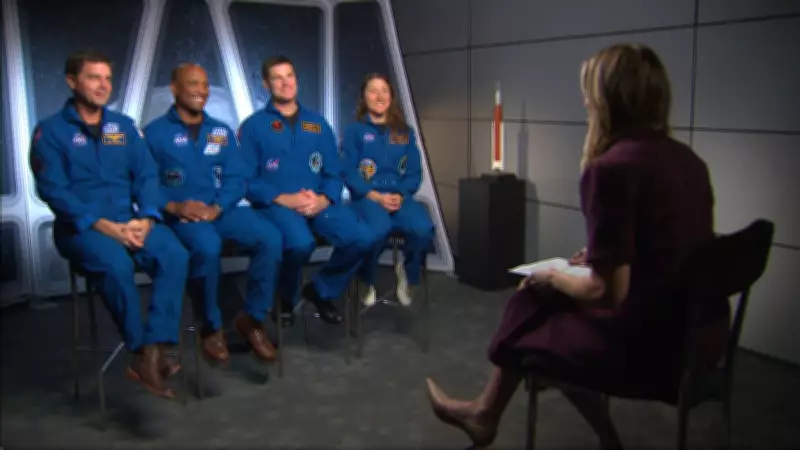
In a recent interview, Vassy Kapelos spoke with the astronauts from the Artemis II moon mission about the possibility of countries competing to land on the moon first in 2028. The conversation shed light on the evolving dynamics of space exploration and the renewed interest in lunar missions.
Key Takeaways from the Interview
The Artemis II astronauts emphasized that international cooperation remains crucial, but competition is inevitable as multiple nations set their sights on the moon. They noted that the 2028 timeline could see a race similar to the Cold War era, albeit with more players involved.
Competition vs. Collaboration
While the astronauts acknowledged the competitive aspect, they stressed that collaboration has been the backbone of recent space achievements. The International Space Station serves as a model for how nations can work together despite geopolitical tensions.

Technological Advancements
The interview also touched on the technological leaps required for a successful lunar landing. The astronauts highlighted advancements in propulsion, life support systems, and sustainable habitats that will be critical for long-term presence on the moon.
Implications for Future Missions
The insights from the Artemis II crew suggest that the next few years will be pivotal for space exploration. With multiple countries and private entities aiming for the moon, the landscape of space travel is set to change dramatically.
The astronauts concluded that while the race to the moon is exciting, the ultimate goal should be to establish a sustainable human presence beyond Earth. They called for continued investment in science and technology to ensure that space exploration benefits all of humanity.