In the age of AI and constant device dependence, one might assume that the overuse of technology is a recent problem in K-12 schools. However, as far back as 1975, teachers were already concerned about the introduction of calculators in math class. Over the past half-century, the accelerated presence of technology in classrooms has posed ongoing challenges for educators. With graphing calculators, desktop computers, the internet, tablets, and now generative AI, the question persists: Is screen-based learning destroying children's education? Experts say the answer lies somewhere in the middle, warning that the real issue is not screens themselves but passively defaulting to them and losing sight of what truly helps kids learn.
Intentional Use of Screens Has Benefits
Sam Campanaro, a mother and former special-education teacher, notes that when used intentionally, screen-based learning has its benefits. In a tech-driven society, computer literacy is crucial for kids. However, she cautions against introducing computer-based learning before children are developmentally ready. Kids need to learn self-regulation skills to complete screen-based lessons, but screens can interrupt natural learning processes, making it harder to build those skills.
Educators highlight several advantages of screen-based learning when decisions are intentional. These include classroom inclusivity, assistive technology for disabled students, personalized pacing, and opportunities for creation, such as websites, newspapers, and yearbooks. Kirsten Peterson, a former high school journalism teacher, shares how her students learned publishing through both digital and analog tasks, from using computers to developing photos in a darkroom and building relationships with local businesses. The learning was social, creative, physical, intellectual, and deeply relational. When implemented well, technology can help students shift from passive consumers to active producers, fostering a better understanding of the tech they use daily.

Concerns When Screens Replace Hands-On Learning
The real concern arises when educators substitute screens for hands-on learning experiences, a trend exacerbated by COVID-era virtual schooling. Chrystine Mitchell, director of early childhood education operations at ChildCare Education Institute, emphasizes that concrete learning experiences involving physical materials and rich oral language development can be lost when screen-based learning becomes the default. Students miss out on conversations, collaborative sense-making, and building on one another's ideas. Peterson agrees: screens should be one tool, not the default tool.
Mitchell stresses the importance of allowing students to struggle, wonder, and work things out independently before introducing AI tools that think alongside them. This capacity must be practiced. Ironically, tech fatigue among educators may drive a return to more balanced learning styles. Variety builds resilience, much like strength training.
Thoughts on AI in Schools
Mitchell believes AI can exist in schools if used purposefully, but warns against over-reliance. Students need a firm critical thinking foundation before using AI. If screens are already dominant, students are not given the opportunity to think for themselves first.
Long-Term Effects of Screen Overuse
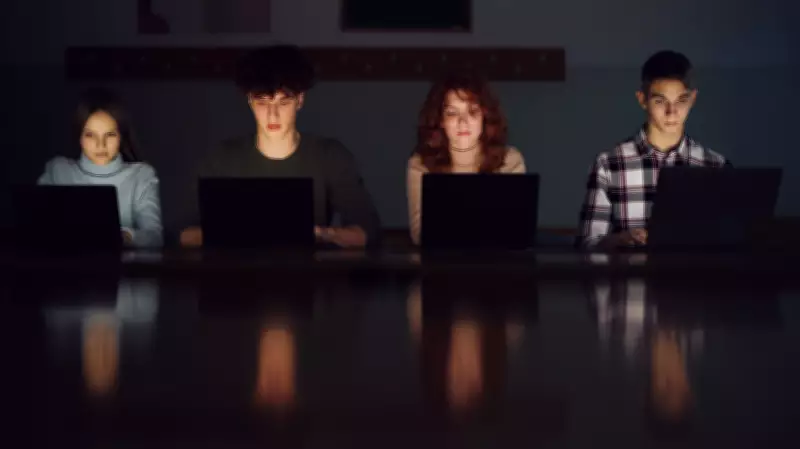
Educators worry about what might be displaced by heavy digital usage. Students risk losing deep reading stamina, sustained focus, and complex in-person collaboration skills. Increased screen use also reduces spontaneous face-to-face interactions essential for social and emotional development. Mitchell notes that the 'turn and talk' moment in classrooms is a carefully intentional practice that crystallizes thinking and stretches perspectives. Heavy screen use removes these opportunities, leading to isolated learning and narrow thinking. Over time, this can limit intellectual flexibility and diminish the joy of learning, replacing vibrant classrooms with passive, isolated environments.

Striking a Balance
A healthy balance of digital and analog learning tools is possible. Technology should augment and expand access, not replace what works. Reading print books, writing by hand, and in-person collaboration remain valuable. Campanaro advocates for using pen, pencil, paper, and printed textbooks to mitigate negative effects of screen-heavy use. Mitchell concludes that the most powerful tools in a classroom can still be a crayon, a pair of scissors, and a glue stick.