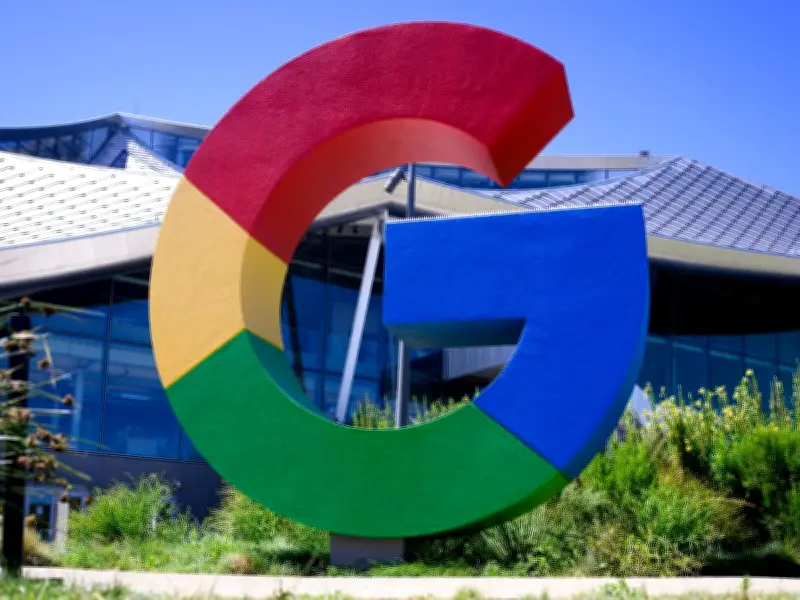
Google parent Alphabet Inc. is raising US$80 billion through a package of equity offerings, including an investment deal with Berkshire Hathaway Inc., as the company races to fund its ambitious artificial intelligence spending plans.
Details of the Equity Package
The undertaking includes a US$40 billion so-called at-the-market program to sell shares from time to time beginning in the third quarter, according to a statement Monday. The company will also offer US$30 billion in underwritten offerings of shares and mandatory convertible preferred stock, as well as the US$10 billion deal with Berkshire Hathaway.
Together, the transactions represent one of the largest equity deals of all time — and they bring an unexpected twist to a blockbuster year for initial public offerings.

Why Alphabet Needs the Funds
It is rare for a large public company to raise this much equity, but the economics of the AI business have pushed Google and its peers to get creative. The company has embarked on an unprecedented spending spree to build the infrastructure needed for cutting-edge AI models and meet customer demand for its chips.
Google is trying to capitalize on a growing appetite for its homegrown AI chips, known as tensor processing units (TPUs). They have become a key alternative to Nvidia Corp.'s market-leading processors in an industry requiring tremendous computing power.
"AI is driving an expansionary moment for Alphabet," the company said in the statement. "By scaling its investments, the company seeks to expand its foundational infrastructure to support the significant growth opportunity ahead."
Financial Implications
Alphabet shares slipped 0.8 per cent in late trading, after more than doubling over the past 12 months. Chief financial officer Anat Ashkenazi said in April that the company's capital expenditures in 2027 will be "significantly" higher than the up to US$190 billion budgeted for 2026 — a level that would already be more than double last year's total. In light of the new funding, Bloomberg Intelligence analyst Mandeep Singh said he believes spending on capital expenditures could reach US$300 billion next year.
That level of spending would exceed even Alphabet's operating cash flow, Singh said. In addition to financing Alphabet's capital expenditures, the new transactions potentially pull money away from the offerings of Alphabet rivals, such as SpaceX, Anthropic PBC, and OpenAI, which are all set to go public this year.
"There's only so much capital you can allocate, even in the public markets," Singh said. He added that if investors "allocate their capital to TPUs because they find that to be an attractive area because of Google's growth prospects, then that does hurt the new IPOs, even though they are very fast growing companies."