AI's Limitations: Why Artificial Intelligence Falls Short of Human Potential
In a recent article, author John Van Sloten offers a comforting perspective on the shortcomings of artificial intelligence (AI), pushing back against claims that AI has achieved the level of "general human intelligence"—often referred to as Artificial General Intelligence (AGI) by proponents. The piece argues that AI's intelligence is limited to narrow bands of knowledge, whereas human intelligence spans a vast array of complex and ever-changing environments.
The Narrow Range of AI Intelligence
The article highlights that AI excels within specific domains but lacks the breadth and depth of human cognition. Human knowledge is far more sophisticated in areas such as values, adaptability, learning through diverse means, abstraction, judgment, and morality. This comprehensive nature allows humans to navigate unpredictable scenarios with a flexibility that AI currently cannot replicate.
What stood out in the article was a critique of how some AI leaders have altered the definition of AGI to better commercialize the technology. Unable to meet a human intelligence-based benchmark, they have lowered the bar by focusing solely on performance-based metrics and outcomes. However, intelligence encompasses much more than mastering equations, movement, or production—it involves nuanced understanding and emotional depth.

The Complexity of Human Intelligence
While it may be unsettling to learn that AI is often oversold, this realization is also reassuring. AI is not as smart as we might think. When considering the intricate nature of human beings, it seems doubtful that AI will ever fully replicate the brilliance and scope of our intelligence.
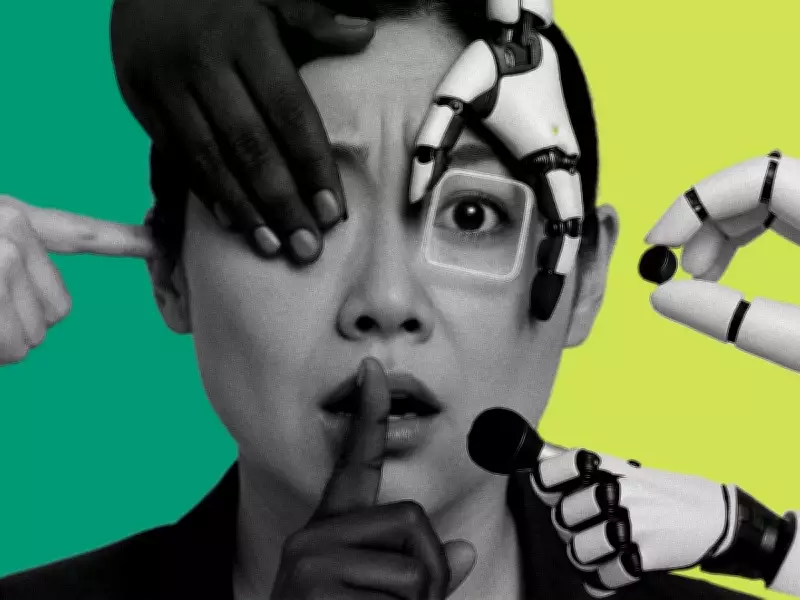
Consider the multi-sensory way humans engage with the world. Through simple acts like preparing a meal, we express and receive knowledge via sight, touch, hearing, smell, and taste—often simultaneously. Many rely on gut feelings for major life decisions, and when expressing love, communication occurs through eye contact, proximity, and tone of voice. Non-verbal cues, such as laughter, sighs, or silence, further illustrate the richness of human interaction.
The Depth of Human Wisdom
Human beings possess a highly developed means of receiving and expressing truth. Researchers continue to uncover new insights into biological wisdom woven into our senses, yet they acknowledge that there is always more to discover. For instance, every discovery about hearing, seeing, or touch reveals deeper layers of complexity.
From a faith perspective, this makes sense. If our capacities to know are created by a higher power, fully understanding how they work may be beyond our grasp. This applies to the nature of our brains, consciousness, and emotions, raising the question: How can AI ever catch up?
Moreover, many faith traditions believe in a divine presence that shares wisdom with humanity. A single word from this source can hold a lifetime's worth of truth. While technological advances in AI may be appreciated, it is unlikely that such wisdom would be whispered to an algorithm. This uniqueness underscores the value of the human soul and collective growth in wisdom, knowledge, and understanding.
In summary, even if AI could aggregate all human intelligence, it would still fall short of the potential inherent in human brains and communities. The article serves as a reminder of the irreplaceable qualities that define our humanity.