AI-Generated Video of Ghislaine Maxwell in Quebec City Sparks Viral Sensation
A recently surfaced video showing Ghislaine Maxwell in Quebec City has taken the internet by storm, with its creator now confirming that the footage was entirely generated using artificial intelligence. This revelation has ignited widespread debate about the ethical implications and potential dangers of AI technology in spreading misinformation.
Creator Admits to Using AI Technology
The individual behind the viral video has openly acknowledged employing advanced AI tools to produce the convincing clip. According to the creator, the process involved sophisticated algorithms capable of generating realistic human movements and environments. This admission comes at a time when AI-generated content is becoming increasingly difficult to distinguish from authentic media, raising significant concerns about digital authenticity.
Context of Ghislaine Maxwell Case
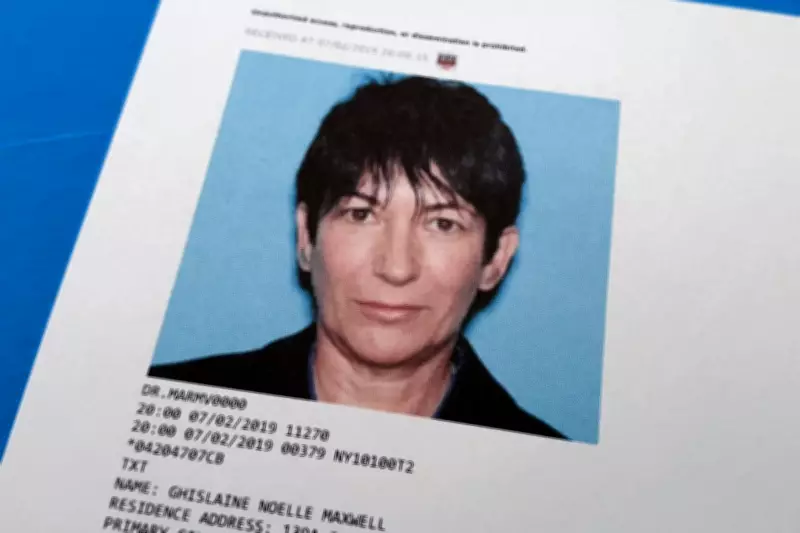
Ghislaine Maxwell, a central figure in the Jeffrey Epstein scandal, remains a highly controversial public figure. The U.S. Department of Justice recently released files related to Epstein, including a photograph of Maxwell from 2019. The AI-generated video capitalizes on this ongoing public interest, demonstrating how easily technology can manipulate historical and current events for viral attention.

Broader Implications for Media and Society
This incident highlights the growing challenge of combating misinformation in the digital age. As AI technology becomes more accessible, the potential for creating deceptive content increases exponentially. Experts warn that such videos could undermine public trust in media and complicate legal and social narratives. The viral spread of this particular video underscores the urgent need for robust verification mechanisms and public awareness about AI capabilities.
Ethical Concerns and Future Precautions
The creation and dissemination of AI-generated content involving real individuals, especially those involved in legal cases, pose serious ethical questions. There are calls for stricter regulations and ethical guidelines to govern the use of AI in media production. Additionally, technology companies and social media platforms are being urged to implement more effective detection tools to identify and label AI-generated content, thereby helping users distinguish fact from fabrication.
In conclusion, the viral AI video of Ghislaine Maxwell in Quebec City serves as a stark reminder of the powerful and potentially problematic role of artificial intelligence in modern media. As technology continues to evolve, society must grapple with balancing innovation against the risks of misinformation and ethical breaches.