AI-Generated Holocaust Imagery Sparks Concern Among Historians and Memorials
As the world observes International Holocaust Remembrance Day, historians and memorial institutions are raising alarms about a disturbing trend: the proliferation of AI-generated images depicting the Holocaust. These fabricated visuals, often created as clickbait for commercial gain or to push political agendas, are trivializing and disrespecting the memory of one of history's darkest chapters.
The Disturbing Reality of Digital Fabrication
One particularly troubling example shows an emaciated, apparently blind man standing in snow at the Flossenbuerg concentration camp. At first glance, the image appears authentic, but it's actually part of a growing wave of AI-generated content about Nazi atrocities. The AFP Fact Check team has documented a significant surge of such imagery across social networks, distorting the historical reality of Nazi Germany's systematic murder of six million European Jews during World War II.
Historian Iris Groschek, who works at memorial sites in Hamburg including the Neuengamme concentration camp, told AFP that what she terms "AI slop" on this subject began appearing in spring 2025 and by year's end was being shared with alarming frequency. "On some sites, such content was posted once a minute," Groschek revealed, emphasizing that these fabrications have "very concrete consequences for how people perceive the Nazi era."

Specific Examples of Historical Fabrication
Among the viral AI-generated images is one depicting a little girl with curly hair on a tricycle, presented as Hannelore Kaufmann, a 13-year-old Berliner who supposedly died at Auschwitz. However, no historical record of this individual exists. Another fabricated image illustrates the invented story of a Czech violinist called "Hank" at Auschwitz, which the Auschwitz Memorial Museum has explicitly identified as false.
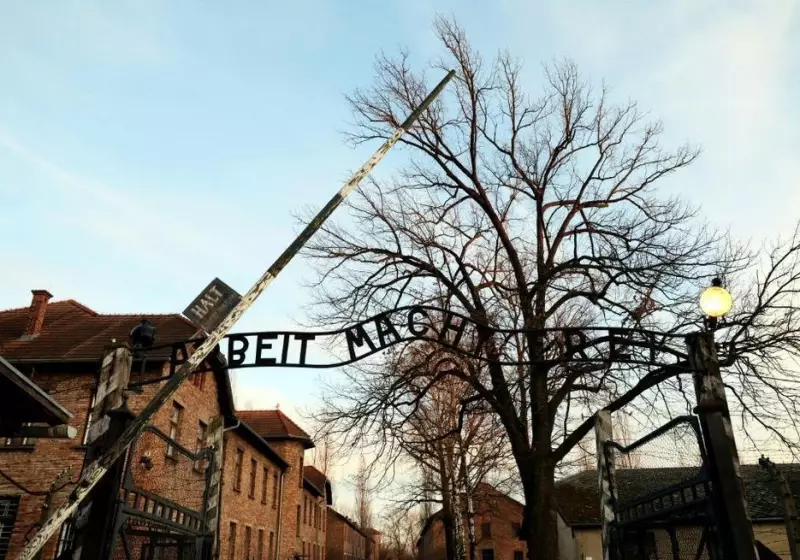
The Auschwitz Memorial has taken a firm stance against such content, stating on social media: "Publishing fake, AI-generated images of Auschwitz is not only a dangerous distortion. Such fabrication disrespects victims and harasses their memory." The museum urges people not to share such posts and instead follow official accounts that preserve authentic historical records.
Growing Concerns from Memorial Institutions
Jens-Christian Wagner, director of the foundation managing the Buchenwald and Mittelbau-Dora memorials, noted that with exponential advances in AI technology, "the phenomenon is growing." Several Holocaust memorials and commemorative associations recently issued an open letter warning about the rising number of these "entirely fabricated" pieces of content.
The memorials identified multiple concerning motivations behind this content:
- Content farms exploiting "the emotional impact of the Holocaust to achieve maximum reach with minimal effort"
- Deliberate attempts to "dilute historical facts, shift victim and perpetrator roles, or spread revisionist narratives"
- Commercial exploitation through clickbait strategies
The Flossenbuerg camp image exemplifies this trend, appearing on a page claiming to share "true, human stories from the darkest chapters of the past" while actually presenting fabricated content.
The Broader Implications for Historical Memory
This development comes at a particularly sensitive time as the world commemorates the 1945 liberation of Auschwitz by Soviet troops. Experts warn that such AI-generated content threatens decades of careful historical preservation work and educational efforts about Nazi crimes. By creating false narratives and imagery, these fabrications undermine authentic survivor testimonies and documented evidence.
The concern extends beyond mere historical inaccuracy to the fundamental disrespect shown toward victims and their descendants. As digital technology becomes increasingly sophisticated, the challenge of distinguishing authentic historical documentation from fabricated content grows more complex, requiring renewed vigilance from educators, historians, and the public alike.