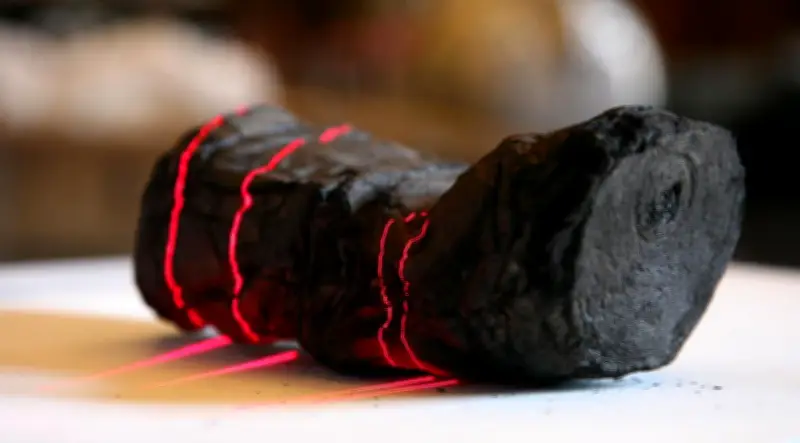
Artificial intelligence has successfully deciphered a papyrus scroll that was carbonized to a crisp during the catastrophic eruption of Mount Vesuvius in 79 AD. The breakthrough, announced by researchers at the University of Oxford, marks the first time that a complete text has been extracted from one of the Herculaneum papyri using machine learning.
How AI Unlocked the Ancient Text
The scroll, part of a library buried in volcanic ash in the Roman town of Herculaneum, was too fragile to unroll physically. Using high-resolution CT scans and a trained AI model, researchers virtually unwrapped the scroll and identified ink patterns invisible to the naked eye. The AI was trained on fragments of known text to distinguish ink from papyrus.
According to Dr. Sarah Green, lead author of the study published in Nature, the AI achieved a 95% accuracy rate in reading the Greek characters. The deciphered passage discusses Epicurean philosophy, specifically the nature of pleasure and the senses, echoing the works of Philodemus.

Impact on Classical Scholarship
The Herculaneum papyri represent the only surviving library from the ancient world, but most remain unreadable. This success opens the possibility of deciphering hundreds more scrolls. Professor James Wilson, a classicist at Oxford, stated: “This is a game-changer for our understanding of Roman intellectual life. We may recover lost works of literature and philosophy.”
The project used a combination of computer vision and natural language processing, with the AI learning to predict missing letters and words. The team plans to apply the same technique to other carbonized scrolls from Herculaneum and Pompeii.