WADA Retreats from Threat to Exclude Trump Officials from 2026 FIFA World Cup
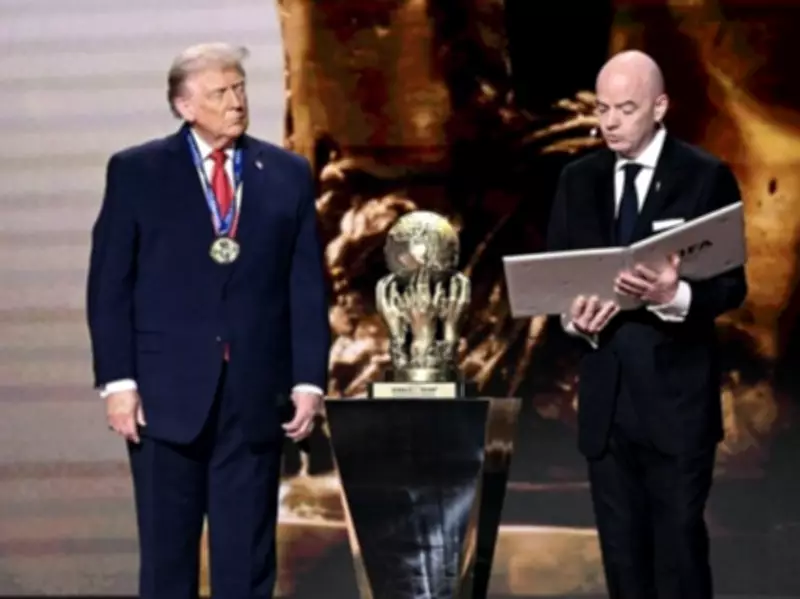
The World Anti-Doping Agency (WADA) has decided against pursuing a ban on Trump administration officials from attending the upcoming 2026 FIFA World Cup, which will be co-hosted by Canada, the United States, and Mexico. This move marks a shift from earlier considerations to impose such restrictions due to a prolonged funding dispute with the U.S. government.
Background of the Funding Conflict
The dispute originated from WADA's handling of positive doping tests involving 23 Chinese swimmers in 2021. Chinese authorities attributed the results to contaminated food, an explanation that WADA accepted without public disclosure or reporting to its executive board. In response, the U.S. government, under both the Biden and Trump administrations, has withheld its annual dues of $3.6 million since 2023, accusing WADA of being influenced by Chinese interests.
This funding shortfall, which accounted for approximately 6% of WADA's $56-million annual budget, prompted the agency to contemplate banning government officials from major international events, including the FIFA World Cup and the Olympics. However, WADA director general Olivier Niggli stated that the organization is now in a strong financial position after other partners helped bridge the gap, though he emphasized that funding instability remains a serious concern for stakeholders.

U.S. Demands and Future Implications
Before reconsidering its stance, the White House's Office of National Drug Control Policy has demanded that WADA undergo an independent compliance audit. ONDCP director Sara Carter asserted, The United States will not be bullied or manipulated into paying dues to WADA until such is achieved. This position has bipartisan support in the U.S., reflecting ongoing tensions over anti-doping governance.
WADA plans to revisit the issue after the 2026 World Cup, with potential measures still under consideration for the 2028 Summer Olympics in Los Angeles. The agency's decision not to ban officials highlights the complex interplay between sports, politics, and funding in global anti-doping efforts.