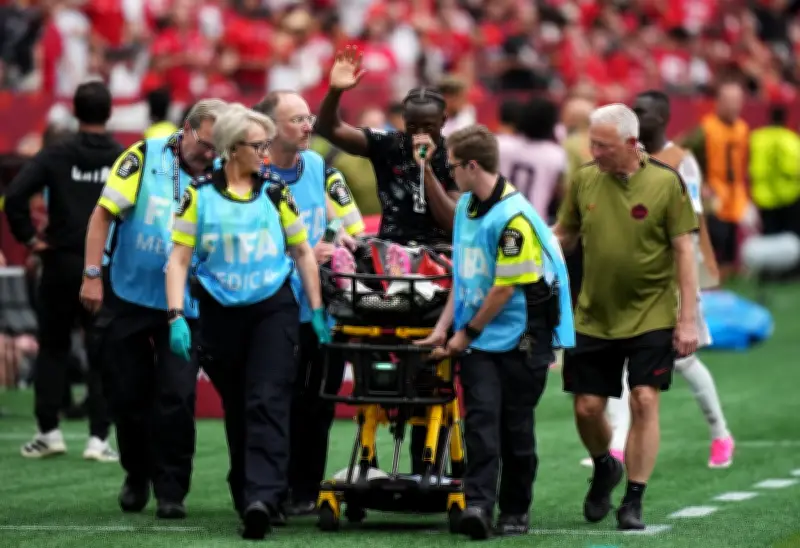
Ismaël Koné, a midfielder for Canada's men's national soccer team, was given a 'green whistle' after suffering a broken leg during a World Cup match. The incident occurred on June 23, 2026, during Canada's group stage game. Head coach Jesse Marsch expressed being 'constantly in awe' of the team's resilience following the injury.
What Is the 'Green Whistle'?
The 'green whistle' is a brand name for methoxyflurane, an inhaled analgesic used for emergency pain relief. It is a small, portable device that delivers the drug through inhalation, providing rapid pain reduction within minutes. It is commonly used by paramedics and in sports medicine for acute injuries.
How It Works
Methoxyflurane is a volatile anesthetic that acts on the central nervous system to produce analgesia. The patient inhales from the whistle-shaped device, which contains a pre-measured dose. Effects last for a short duration, typically 5-10 minutes, making it suitable for immediate pain management before further medical treatment.

Use in Sports
The 'green whistle' is not FDA-approved in the United States but is used in Australia, New Zealand, and parts of Europe. In sports, it has been employed in rugby and soccer for on-field emergencies. According to FIFA medical protocols, such analgesics may be used under supervision for severe injuries.
Koné's Injury and Recovery
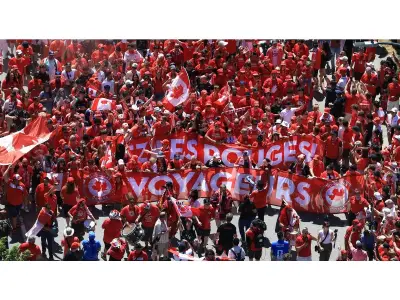
Koné's leg fracture required immediate attention. He was stretchered off and taken to a hospital for surgery. The Canadian team has not provided a timeline for his return, but such injuries typically require months of rehabilitation. Fans plan to honor him ahead of Canada's next match against Switzerland in Vancouver.
Broader Context
Canada's World Cup campaign continues, with each match providing an estimated $70 million boost to Vancouver's economy, according to BMO. The team's performance remains a focal point for national pride.