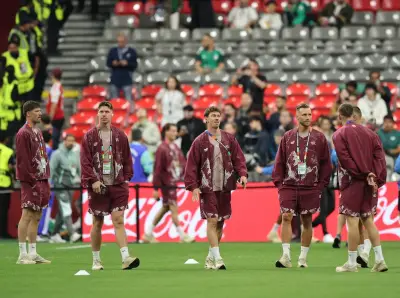
Canada's historic run at the 2026 World Cup has ended, but the financial windfall many expected may not materialize. Canada Soccer CEO Kevin Blue emphasized that the tournament's legacy will be measured in development, not dollars.
Prize Money Breakdown
Canada earned a total of US$18.5 million in prize money: $10 million for qualifying, $2.5 million in preparation costs, $2 million for making the round of 16, and $4 million for the round of 32. However, after player compensation, coaching bonuses, and travel costs, the net gain is substantially reduced.
“Canada Soccer’s share, if you want to call it take-home, is diluted down pretty substantially,” Blue said. “It’s not a windfall in the sense that some people might think it is.”

Player Compensation and Investment
Under the new collective bargaining agreement, players receive 50% of prize money, split evenly between men's and women's teams. The remaining funds will support a new National Training Centre, youth national teams, and grassroots programs. The federal government also contributed nearly CDN$10 million for the training centre.
“The World Cup in 2026 was always positioned to be a catalyst, not a finish line,” Blue noted.
Future Plans
The men's team will play at least two more home games in 2026 during international windows in September and November. Coach Jesse Marsch is also involved with the U20 team, which will compete in the CONCACAF Championship as a qualifier for the 2027 U20 World Cup and 2028 Olympics.
“Jesse’s very committed to the project and committed to the pathway,” Blue said, adding that Marsch is already making calls to secure player releases for the Olympic qualifying tournament.
Infrastructure and Whitecaps Future
Blue addressed concerns about the Vancouver Whitecaps potentially leaving the city, calling it a “problematic” loss that would need to be addressed. “We want to consider a future where the Whitecaps and all of the existing professional clubs, and then some, are part of it,” he said.