Snowboarder Dies in British Columbia Avalanche, RCMP Confirms
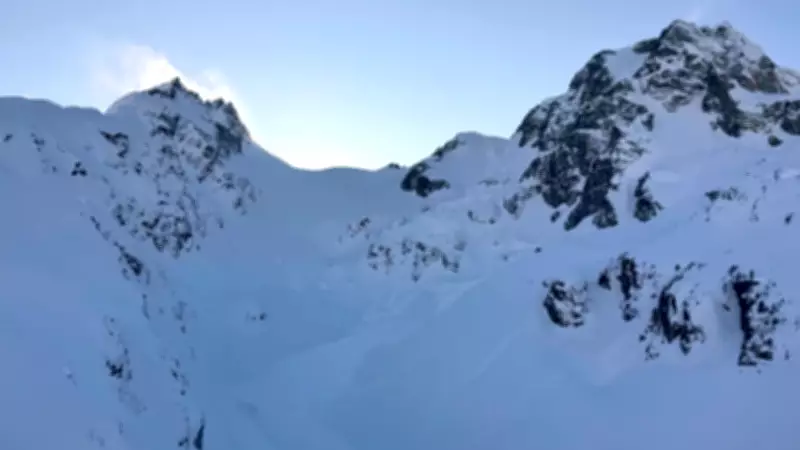
A snowboarder has died following an avalanche in British Columbia, according to the Royal Canadian Mounted Police. The tragic incident occurred on February 24, 2026, in a backcountry area that has seen increased recreational activity during the winter season.
Details of the Fatal Incident
The RCMP responded to reports of an avalanche in a remote mountainous region of British Columbia, where they discovered the snowboarder had been caught in the slide. Despite immediate rescue efforts, the individual was pronounced dead at the scene. Authorities have not released the identity of the victim pending notification of family members.
Avalanche Canada, the national public avalanche safety organization, has documented the location of the fatal avalanche on their website. The organization regularly provides avalanche forecasts and safety information for backcountry travelers across Canada, particularly in British Columbia where mountainous terrain creates significant avalanche hazards.

Backcountry Safety Concerns
This tragic event underscores the persistent dangers associated with winter backcountry activities in British Columbia's mountainous regions. Avalanche Canada emphasizes that proper training, equipment, and awareness of current conditions are essential for anyone venturing into avalanche terrain.
"Avalanches represent one of the most significant hazards for winter recreationists in British Columbia," noted a safety expert familiar with the region. "Even experienced individuals can be caught in unexpected slides, particularly during periods of unstable snowpack conditions."
Winter Recreation in British Columbia
British Columbia attracts thousands of winter sports enthusiasts annually, with its world-class ski resorts and extensive backcountry terrain. While many recreational areas have avalanche control measures in place, remote backcountry locations remain inherently risky.
Safety organizations recommend that backcountry travelers:
- Check avalanche forecasts before departure
- Carry essential safety equipment including transceivers, probes, and shovels
- Travel with experienced companions
- Take avalanche safety training courses
- Avoid terrain with obvious avalanche hazards
The RCMP investigation into the incident continues, with authorities working to determine the exact circumstances that led to the avalanche. This fatality serves as a sobering reminder of the power of natural forces in mountain environments and the importance of preparedness for those who choose to explore these beautiful but dangerous landscapes.