Ukrainian Skeleton Athlete Vows to Defy IOC Over Memorial Helmet
In a bold act of remembrance and protest, Ukrainian skeleton athlete Vladyslav Heraskevych has declared his intention to continue wearing a helmet bearing the faces of fellow Ukrainian athletes killed since Russia's 2022 invasion, despite opposition from the International Olympic Committee (IOC). The confrontation unfolded at the Cortina Sliding Centre in Italy, where Heraskevych stepped off the track and directly addressed reporters about his plans for the Milan-Cortina Games.
A Symbol of Loss and Defiance
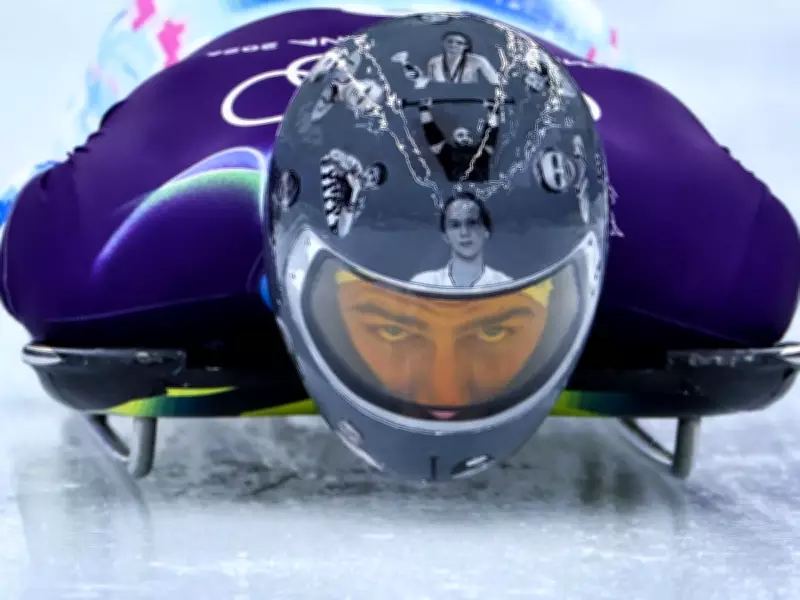
Heraskevych, cradling his grey, hand-painted helmet, told journalists on Tuesday, "I believe I can use it. So, yeah, I will use it." This statement marks a continuation of his ongoing dispute with the IOC, which has offered a compromise: allowing him to wear a black armband during competition while speaking out against the war. However, during practice sessions, Heraskevych has conspicuously worn the helmet without any armband, signaling his refusal to back down.
"We will continue to fight for the right to compete in this helmet," he asserted. "I truly believe we didn't violate any laws or any rules." The helmet, created by an artist in Kyiv—a city enduring Russian air strikes and limited access to basic necessities—serves as a poignant tribute to those lost in the conflict.

IOC's Stance and Rule 50 Controversy
Earlier on Tuesday, IOC spokesperson Mark Adams stated that the organization had addressed Heraskevych's concerns, emphasizing their understanding of athletes' desires to remember friends and colleagues killed in conflicts worldwide. Adams explained that IOC rules aim to separate athletes and sport from political, religious, and other interferences, noting, "This helmet contravenes the above mentioned guidelines."
Heraskevych, however, disputes this interpretation, arguing that the helmet does not breach Rule 50 of the Olympic Charter, which prohibits political and religious messages at Olympic sites. He pointed to historical precedents, such as German weightlifter Matthias Steiner, who celebrated with a photo of his deceased wife after medalling in 2008, without facing sanctions.
Double Standards and International Reactions
The controversy has highlighted perceived inconsistencies in IOC enforcement. Heraskevych referenced an Italian snowboarder who wore a Russian flag on his helmet earlier in the day—a nod to countries where he has competed—despite Russia and its symbols being banned from the games for most of a decade due to the invasion and state-sponsored doping. "I understand what the idea was behind it, but to be honest, it's a straight violation of Olympic rules," Heraskevych said. "And despite that, he didn't get any sanctions." This led him to suggest there might be "special rules for Ukrainians."
Support for Heraskevych has extended beyond the athletic community, with Ukrainian President Volodymyr Zelenskyy among those criticizing the IOC's decision to ban the helmet. The athlete planned to host a news conference in downtown Cortina after Tuesday's practice session to further advocate for his cause.
Upcoming Competition and Canadian Involvement
As skeleton competition is set to begin on February 12, all eyes will be on Heraskevych's actions and the IOC's response. On the men's side, Josip Brusic will be the sole Canadian competitor, adding an international dimension to the event. This standoff underscores the ongoing tension between athletic expression and Olympic regulations, with Heraskevych's helmet becoming a symbol of resilience and memory in the face of geopolitical strife.