

Liberal MP's Nazi Comparison Sparks Outrage in Parliament Over U.S. Relations
A significant controversy has erupted in the House of Commons following inflammatory remarks made by a Liberal backbencher against a Conservative colleague. The incident has exposed deep partisan divisions within Canadian politics, particularly concerning approaches to managing crucial relationships with the United States.
Controversial Remarks in the House of Commons
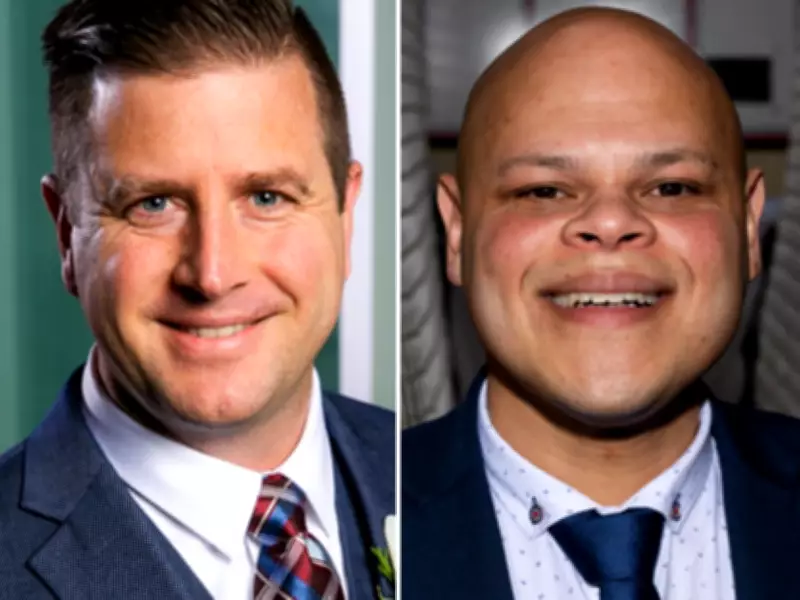
During parliamentary proceedings last week, Liberal MP John-Paul Danko made shocking comments directed at Conservative MP Jamil Jivani. Representing the riding of Hamilton West—Ancaster—Dundas, Danko was participating in discussions about proposed changes to House operations when he launched into an unexpected attack.
"We have the Conservative Party of Canada's own Unity Mitford, who is attempting to freelance negotiations with the American president right now," Danko declared during the session.

This reference carries substantial historical weight. Unity Mitford was a British socialite who developed close ties with Adolf Hitler, eventually relocating to Germany at the outbreak of the Second World War. By invoking this comparison, Danko effectively labeled Jivani as a Nazi sympathizer and, by extension, suggested that former U.S. President Donald Trump represents a modern equivalent to Hitler.
Context of Jivani's Diplomatic Efforts
The controversial comments occurred while Jivani was actively engaged in diplomatic efforts in Washington, D.C. The Conservative MP possesses a longstanding personal friendship with U.S. Vice-President J.D. Vance, dating back to their time together at Yale Law School. This connection has provided Jivani with unique access to American political leadership.
During his Washington visit, Jivani secured meetings with numerous high-ranking officials, including:
- Vice-President J.D. Vance
- Secretary of State Marco Rubio
- U.S. Trade Representative Jamieson Greer
- Multiple senators and members of Congress
- Former President Donald Trump
Upon returning to Canada, Jivani participated in an extensive debriefing session with Dominic LeBlanc, who serves as Prime Minister Mark Carney's primary liaison for Canada-U.S. relations.
Partisan Reactions and Rejected Cooperation
Jivani has consistently advocated for a non-partisan approach to managing the crucial relationship with the United States. In statements both before and after his Washington trip, he emphasized that national interests should transcend party politics on such significant matters.
"Doors were open for dialogue about how Canada and the U.S. can work together at a time when pessimism gets most of the media attention," Jivani wrote in a National Post column following his return. "Certainly, my 15-year friendship with the vice-president played a key role in opening those doors."
Despite this diplomatic success and Jivani's offer to assist the government last fall—an offer approved by Conservative Leader Pierre Poilievre—the Carney administration rejected the proposed cooperation. Instead of embracing the opportunity for bipartisan collaboration, senior Liberals including Prime Minister Carney and Foreign Minister Melanie Joly publicly mocked Jivani's efforts.
Joly repeatedly made false claims that Jivani had neglected to address layoffs at the Oshawa GM plant affecting workers in his riding. Meanwhile, Carney dismissed the entire diplomatic mission as a media stunt, despite Jivani's demonstrable access to American leadership.
Broader Implications for Canadian Politics
This incident reveals significant tensions within Canada's political landscape regarding international diplomacy. The personal connections that facilitate political access—such as Jivani's participation in Vance's wedding and their longstanding friendship—represent valuable diplomatic assets that some argue should be utilized regardless of party affiliation.
The controversy extends beyond Danko's inflammatory remarks. Many observers believe that Prime Minister Carney and his entire team owe Jivani an apology for their dismissive attitude toward his genuine offer of assistance and for allowing such derogatory comparisons to enter parliamentary discourse.

As Canada navigates complex international relationships, this episode raises important questions about whether partisan politics should override opportunities for constructive diplomatic engagement that could benefit all Canadians.





