Transgender Women Athletes Barred from Olympic Competition Under New IOC Regulations
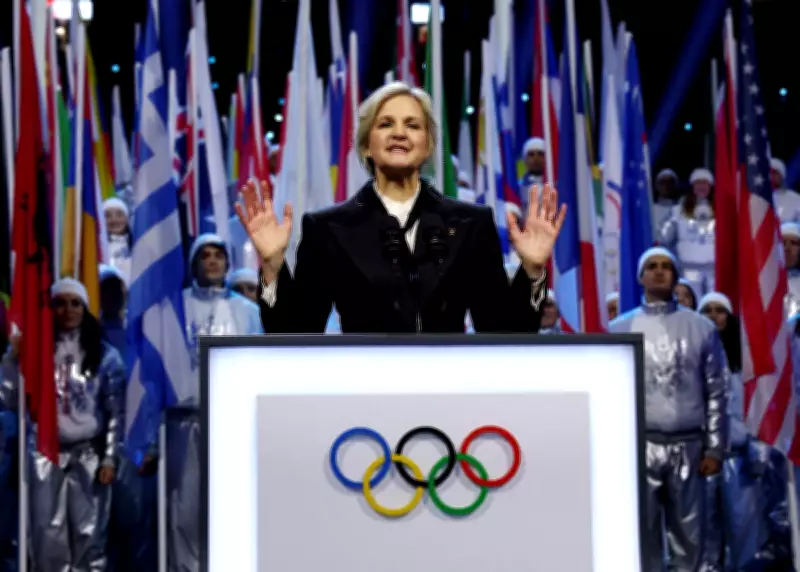
The International Olympic Committee has enacted a sweeping new policy that prohibits transgender women athletes from participating in female categories at the Olympic Games. This landmark decision, announced by IOC President Kirsty Coventry, represents a significant shift in the organization's approach to gender eligibility in competitive sports.
Policy Details and Implementation Timeline
The new regulations, which took effect immediately following their announcement on March 26, 2026, establish strict criteria for female eligibility that transgender women cannot meet under current scientific understanding. The policy applies to all future Olympic Games, beginning with the 2028 Summer Olympics in Los Angeles, though its implementation affects qualification processes starting immediately.
IOC officials emphasized that the decision followed extensive consultation with medical experts, sports scientists, and athlete representatives over a period of several years. The committee cited concerns about maintaining competitive fairness in women's sports as the primary motivation behind the policy change.

Scientific Rationale and Fairness Considerations
The IOC's decision rests on current scientific consensus regarding physiological advantages that may persist even after gender-affirming hormone therapy. According to committee statements, research indicates that certain physical attributes developed during male puberty—including bone density, muscle mass, and cardiovascular capacity—can provide lasting competitive advantages that hormone therapy cannot fully eliminate.
"Our responsibility is to ensure fair competition for all female athletes," stated President Coventry during the policy announcement. "After careful review of the latest scientific evidence, we've determined that this policy is necessary to preserve the integrity of women's Olympic sports."
Impact on Athletes and International Response
The policy affects an estimated small number of transgender women athletes who were either currently competing or aspiring to compete at Olympic levels. While exact numbers remain confidential, the IOC acknowledged that several athletes' Olympic dreams have been effectively ended by this decision.
Reactions from the international sports community have been mixed:
- Some women's sports advocates have praised the decision as necessary for competitive fairness
- LGBTQ+ organizations have condemned the policy as discriminatory and exclusionary
- Several national Olympic committees have expressed support for the IOC's authority to set eligibility standards
- Human rights groups have raised concerns about the policy's potential violation of anti-discrimination principles
Historical Context and Policy Evolution
This decision marks a reversal from previous IOC guidelines established in 2015, which allowed transgender women to compete in female categories if their testosterone levels remained below a specific threshold for at least one year before competition. The new policy eliminates this pathway entirely for transgender women, while maintaining existing regulations for transgender men and intersex athletes.
The IOC noted that the policy will be subject to regular review as scientific understanding evolves, but provided no specific timeline for potential revisions. This development places the Olympic movement at the center of an ongoing global debate about inclusion versus fairness in competitive sports, with implications extending far beyond the Olympic arena to affect sports organizations worldwide.