IOC Reverses Course, Implements Ban on Transgender and DSD Athletes in Women's Olympic Events
In a significant policy shift, the International Olympic Committee announced on Thursday a ban on transgender women and athletes with disorders of sexual development from competing in women's events at the Olympic Games. The decision, which the IOC states is necessary to protect the integrity of the female category, marks a reversal from its previous approach that delegated eligibility decisions to international sports federations.
Background and Policy Reversal
The IOC's previous policy, established in 2021 under the Framework on Fairness, Inclusion and Non-discrimination on the Basis of Gender Identity and Sex Variations, essentially offloaded responsibility to individual sports federations. However, this led to inconsistencies and controversies, as the IOC did not always honor those decisions. The new policy, announced in March 2026, is not retroactive, meaning it will not affect past competitions but will apply to future Games starting with Los Angeles 2028.
This change comes after a thorough review process that began in September 2024. A year later, the IOC formed a working group comprising specialists from five continents in fields such as sports science, endocrinology, transgender medicine, ethics, and law. The group reported to the IOC membership in November 2025, leading to the drafting of the new policy, which the IOC says reflects scientific, medical, and legal developments since 2021.

Scientific Basis and Performance Advantages
The IOC's decision is grounded in its assessment of biological advantages. According to the committee, XY transgender athletes and those with XY-DSD typically have anatomical and physiological characteristics consistent with males, including testes/testicles and testosterone levels in the male range. The IOC contends that these athletes are androgen-sensitive, meaning their bodies utilize testosterone during growth and development, conferring performance benefits.
The magnitude of male performance advantage is cited as 10-12% in most running and swimming events, over 20% in throwing and jumping events, and can exceed 100% in collision, lifting, and punching sports. The IOC further notes that males generally have larger and stronger skeletal muscle and bone, larger hearts and lungs, more red blood cells, and lower body fat compared to females trained at equivalent levels.
In contrast, female athletes face disadvantages such as the menstrual cycle, gestation, and anatomical differences like wider hips and more breast tissue, which the IOC argues contribute to the overall male performance advantage in strength, power, and endurance-based sports.
Implementation and Testing Procedures
To enforce the ban, the IOC will determine biological sex using a cheek swab test that screens for the SRY gene, a DNA segment typically on the Y-chromosome that initiates male sex development in utero and indicates the presence of testes/testicles. This method is described as the most accurate and least intrusive. Athletes will only need to take the test once, unless they appeal the result.
This approach mirrors that of World Athletics, which introduced SRY swab testing for women's events at the 2025 world championships. The IOC's policy aims to standardize eligibility criteria across Olympic sports, addressing past inconsistencies.
Reactions and Controversies
The policy has sparked mixed reactions globally. Many current and former athletes have expressed support, viewing it as a step toward fairness in women's sports. However, human rights advocates and some governments have voiced opposition. For instance, France's sports minister, Marina Ferrari, issued a statement expressing deep concern, opposing the generalization of genetic testing due to ethical, legal, and medical questions, particularly in light of French bioethics legislation.

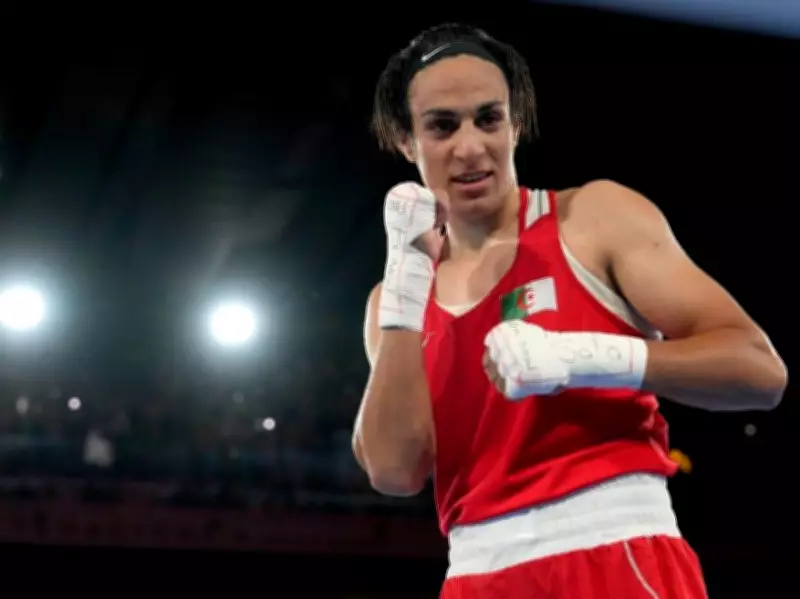
Past controversies highlight the issue's complexity. At the Paris 2024 Olympics, women's boxing was overshadowed by protests when Algeria's Imane Khelif won the welterweight gold medal. Khelif had been banned from the 2023 International Boxing Association women's world championships after allegedly failing a sex verification test, but the IOC did not honor that decision. Khelif has since stated she is undergoing medical treatments to reduce high natural testosterone levels and would accept testing for LA 2028.
Similarly, distance runner Lynsey Sharp of Great Britain has voiced frustration, noting she might have won a medal in the 800 metres at Rio 2016 if not for three DSD athletes who competed and all podiumed. Canada's Melissa Bishop finished fourth in that race, while Sharp was sixth.
Historical Context and Impact
Transgender and DSD athletes have had limited but notable participation in the Olympics. In Tokyo 2021, weightlifter Laurel Hubbard of New Zealand became the first openly transgender athlete to compete, though she finished last in her category. Among DSD athletes, South African middle distance runner Caster Semenya is the most famous, along with Margaret Wambui of Kenya and Francine Niyonsaba of Burundi, who all podiumed in the women's 800 metres at Rio 2016.
The IOC's new policy, developed after interviewing 1,100 athletes, seeks to balance inclusion with competitive fairness. By basing eligibility on biological sex, the IOC aims to create a consistent framework, though it acknowledges the potential for hurt, as Khelif noted: "They should protect women, but they need to pay attention that while protecting women, they shouldn't hurt other women."
As the Olympic movement moves forward, this ban is likely to remain a contentious issue, reflecting ongoing debates about gender, science, and sports integrity on the global stage.