LGBTQ+ Community's Complex Bond with Canadiens and Hockey Culture
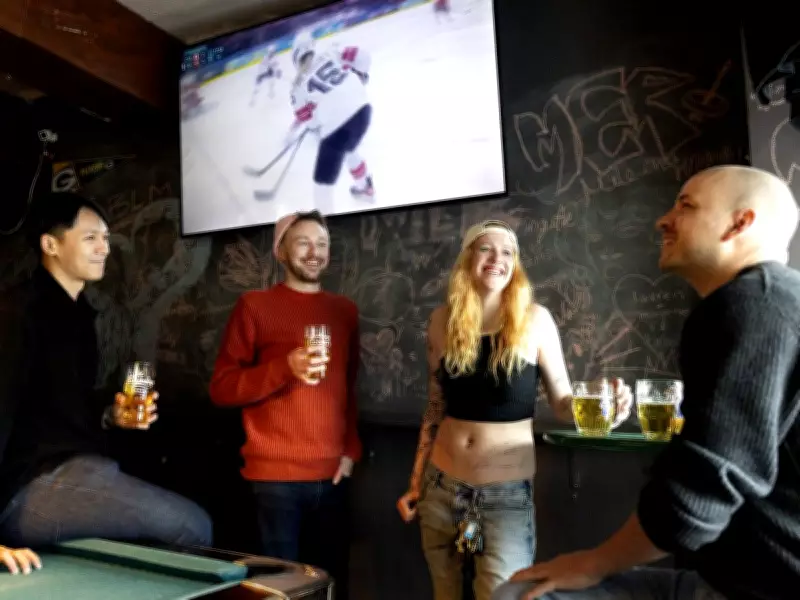
In the final installment of a series exploring Montreal Canadiens fandom, a revealing portrait emerges of LGBTQ+ supporters who passionately follow the team yet feel marginalized by the broader hockey world. At Champs sports bar on St-Laurent Blvd., a group of regulars gathers to watch games, finding sanctuary in a space that explicitly welcomes queer fans.
"I can't imagine going to a regular sports bar that is not as welcoming," said Yue Wu, one of the patrons, highlighting the contrast between inclusive venues and mainstream hockey environments. The bar transformed about four years ago into an LGBTQ+ friendly hub, becoming a rare oasis in a sports landscape often dominated by straight, male-centric culture.
A Sanctuary for Fans in a Straight-Dominated Arena
AJ West, another regular, explained how moving to Montreal led to adopting local culture, including Habs fandom, but noted that traditional sports bars rarely cater to diverse communities. "You come to spaces like Champs that are LGBTQ+ friendly and there are other individuals who are sharing in this sport together. So it's easy to get on board and feel welcome in that space," West said.

Bartender and manager Kat Anderson, a bisexual woman, observed that while some straight male patrons initially appear confused by the bar's atmosphere, many end up staying and appreciating the environment. However, the group expressed reservations about attending games at the Bell Centre, with Anderson noting, "I know people who would absolutely never go because they're like, 'I don't want to sit beside a bunch of dudes and get yelled at.'"
Inconsistent LGBTQ+ Outreach from the NHL and Canadiens
The conversation turned to the NHL's and Canadiens' efforts toward LGBTQ+ inclusion, which the fans described as lackluster. The Canadiens held a Pride Night on December 9, 2025, featuring Pride pins, tape during warmups, and a workshop with defenceman Kaiden Guhle, but attendees felt it was understated compared to events like the Toronto Blue Jays' Pride celebrations.
Andrew Butler, a hardcore Canadiens fan, pointed out the league's inconsistent policies, referencing the NHL's 2023 ban on Pride jerseys and temporary prohibition of Pride tape. While the tape ban was reversed after controversy, the league does not mandate Pride Nights, leading to varied approaches across teams. This season, the Carolina Hurricanes replaced Pride Night with a broader "Hockey Is for Everyone" event, while the Los Angeles Kings and Utah Mammoth opted out of dedicated Pride promotions.
Heated Rivalry's Impact and Missed Opportunities
The group discussed the popular TV series Heated Rivalry, a drama about gay hockey players that has sparked increased interest in the NHL. Commissioner Gary Bettman praised the show, noting it helps grow the league, yet fans questioned whether the NHL is capitalizing on this momentum. SeatGeek reported a more than 20 percent jump in weekly NHL ticket sales following the show's premiere, indicating a surge in LGBTQ+ engagement.
"It feels like a bit of a missed opportunity," Butler remarked, echoing sentiments that the league could do more to welcome new fans. Kim Davis, NHL senior executive vice-president, acknowledged in an interview that the LGBTQ+ community represents "fans in waiting" and emphasized ongoing efforts to attract diverse demographics, but admitted change takes time.
Cultural Barriers and the Hope for an Openly Gay Player
Longtime activist Richard (Bugs) Burnett criticized the NHL for being stuck in a "Jurassic era," arguing that even basic gestures like Pride Nights are inconsistently maintained. The Champs regulars also pondered when the first NHL player will come out as openly gay, a scenario depicted in Heated Rivalry. They suggested that hockey's conservative culture, where players are trained to avoid controversy, may deter such openness.

Butler shared his personal experience, explaining that he stopped playing hockey as a teenager because he didn't connect with the locker-room environment, speculating that this self-selection might reduce the presence of gay players in professional leagues. Trans woman and Habs fan Hazel Pilon added that the sport's machismo aspect can be alienating, though her fandom was forged through bonding with her father over games.
Roots of Fandom Amidst Exclusion
Despite feelings of exclusion, these fans maintain deep connections to the Canadiens, often rooted in personal history and community. Pilon recalled how watching Hockey Night in Canada with her father provided rare moments of connection during her closeted youth, while Anderson contrasted the Habs' community-oriented culture with the more aggressive vibe of other teams' fans.
As the NHL grapples with evolving demographics, the stories from Champs underscore a persistent gap between the league's potential and its current outreach. For LGBTQ+ supporters, loving hockey remains a conflicted experience—embracing the game's excitement while yearning for a more inclusive future where they feel fully seen and welcomed.