Iran Soccer Federation President Questions 2026 World Cup Participation in United States
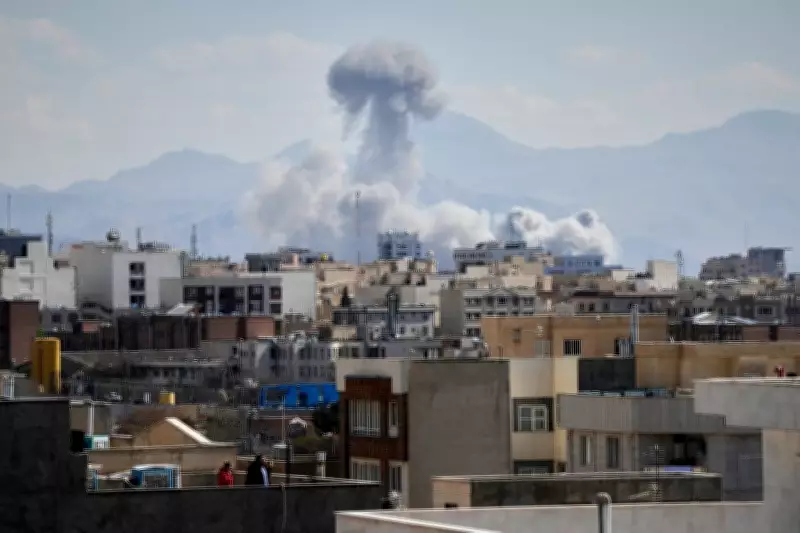
The president of Iran's national soccer federation has publicly expressed significant doubts regarding the country's potential participation in the 2026 FIFA World Cup, which is scheduled to be hosted by the United States, Canada, and Mexico. This announcement comes amid heightened geopolitical tensions following recent military actions involving the United States and Israel against Iranian targets.
Geopolitical Context Influences Sports Decision
The federation's statement directly references the volatile political climate as a primary factor in their deliberation process. "The current situation creates substantial uncertainty about our ability to compete in a tournament hosted by a nation actively engaged in hostilities against our country," the federation president stated, emphasizing the profound impact of international relations on global sporting events.
This development highlights the increasingly complex intersection of sports and international diplomacy, where athletic competitions can become entangled in broader geopolitical conflicts. The Iranian soccer community and fans worldwide are now facing the possibility of a major absence from one of the planet's most prestigious sporting tournaments.

Potential Ramifications for FIFA and Global Soccer
A boycott or withdrawal by Iran would represent a significant disruption to the 2026 World Cup, which is already set to be the largest edition in history with 48 participating teams. Iran has been a consistent competitor in recent tournaments, having qualified for the 2014, 2018, and 2022 World Cups, and their absence would alter competitive dynamics and diminish the event's global representation.
FIFA officials now face a delicate diplomatic challenge, as they must navigate these geopolitical tensions while maintaining the integrity and inclusivity of the world's most popular sporting event. The organization has historically advocated for keeping sports separate from political conflicts, but this situation tests that principle under extraordinary circumstances.
The Iranian federation's statement has sparked immediate reactions across the international sports community, with many expressing hope for a peaceful resolution that would allow all qualified teams to participate without political interference. However, with the tournament still two years away, the situation remains fluid and subject to ongoing diplomatic developments between the involved nations.