ICE Agents Operate Without Firearms in Canada as World Cup Approaches
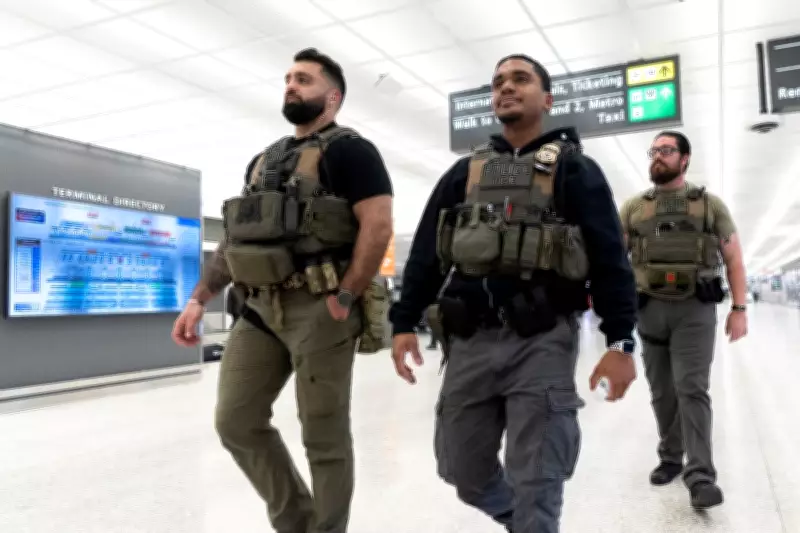
U.S. Immigration and Customs Enforcement (ICE) has officially confirmed that its agents do not carry firearms while conducting operations within Canada. This clarification comes as Toronto prepares to host several matches for the upcoming FIFA World Cup, an event expected to significantly boost tourism across Ontario but also raise concerns about potential congestion and security logistics.
Security Protocols and Cross-Border Operations
The announcement highlights the distinct operational protocols ICE follows in Canada compared to the United States, where agents are typically armed. This policy underscores the cooperative nature of cross-border law enforcement between the two countries, with ICE agents relying on local authorities for armed support if necessary during investigations or apprehensions in Canadian territory.
With millions of international visitors anticipated for the World Cup, security coordination has become a focal point for officials. The presence of U.S. immigration agents, even unarmed, could play a role in monitoring entry and exit points, though ICE has not specified the extent of its planned activities during the tournament.

Tourism Boost and Infrastructure Challenges
A recent report indicates that the World Cup games in Toronto are projected to provide a substantial economic lift to Ontario's tourism sector. However, the influx of spectators and teams is also expected to strain transportation networks and urban infrastructure, prompting warnings about possible traffic gridlock and overcrowding in host cities.
- Local businesses may benefit from increased spending on accommodations, dining, and entertainment.
- Public transit systems and roads could face unprecedented demand during match days.
- Authorities are advising residents and visitors to plan ahead for potential delays.
ICE's statement aims to alleviate public apprehensions regarding armed foreign agents on Canadian soil, emphasizing that its personnel adhere to Canadian laws and regulations. This transparency is part of broader efforts to ensure a safe and smoothly run event, as international sports competitions often involve complex security arrangements involving multiple agencies.
The World Cup is scheduled to take place in 2026, with matches spread across various North American cities, including Toronto. As preparations intensify, further details on security measures and interagency cooperation are likely to emerge, shaping the experience for both participants and spectators.