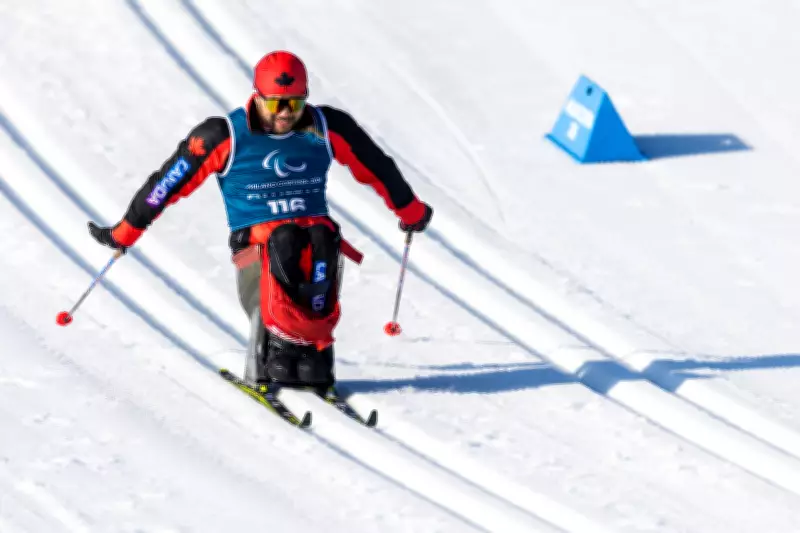
Canadian Paralympians Emphasize Athleticism in Pursuit of Winter Games Glory
As the 2026 Paralympic Winter Games unfold in Milan-Cortina, Canada's delegation is making a powerful statement: these athletes are competitors first, with their disabilities taking a secondary role in their quest for podium finishes. The Canadian team has arrived in Italy with clear ambitions to add to the nation's impressive Paralympic medal count, bringing a renewed focus on athletic excellence that transcends physical limitations.
Athlete-First Philosophy Drives Performance
The "athlete first, disability second" approach represents a significant evolution in how Paralympic sports are perceived both within the athletic community and by the broader public. Canadian coaches and support staff have implemented training regimens that prioritize peak physical performance, adaptive equipment innovation, and psychological preparation equal to what able-bodied Olympians receive. This holistic approach has produced athletes who compete at levels that often rival their Olympic counterparts in speed, strength, and technical precision.
Winter sports featured in the 2026 Paralympics include alpine skiing, biathlon, cross-country skiing, para ice hockey, snowboarding, and wheelchair curling – all disciplines where Canadian athletes have historically excelled. The team includes both seasoned veterans with multiple Paralympic appearances and promising newcomers making their international debut, creating a balanced roster with experience and fresh energy.

Training and Preparation for Peak Performance
Canadian Paralympians have undergone intensive preparation in the years leading to these Games, with training camps across the country's diverse winter landscapes from the Rockies to Quebec's Laurentians. Advanced sports science, customized equipment, and specialized coaching have all contributed to creating optimal conditions for success. The investment reflects Canada's commitment to para-sports as a legitimate and respected component of the national athletic program.
The technological aspect cannot be overstated – from revolutionary prosthetic designs for skiers to customized sleds for ice hockey players, Canadian engineers and technicians have worked closely with athletes to develop equipment that maximizes their competitive potential. This collaboration between human performance and technological innovation represents the cutting edge of adaptive sports.
Broader Impact Beyond the Podium
While medal counts will inevitably dominate headlines, the Canadian Paralympic movement carries significance that extends far beyond the competition venues. Each athlete's journey challenges stereotypes about disability and demonstrates what becomes possible when barriers are removed and opportunities are provided. Their visibility during the Games broadcasts will inspire the next generation of athletes with disabilities while educating the public about the capabilities of people with physical impairments.
The timing of these Games is particularly meaningful as they follow closely on the heels of the 2026 Winter Olympics, allowing for direct comparisons between Olympic and Paralympic performances. This proximity helps reinforce the message that these are elite athletes competing at the highest level of their respective sports, regardless of their physical characteristics.
As competition continues through the coming days, Canadian fans will be watching with particular interest in several medal hopefuls across multiple disciplines. The team's success will be measured not just in gold, silver, and bronze, but in how effectively they advance the perception of Paralympic sports as legitimate athletic competition worthy of the same respect and admiration as their Olympic counterparts.