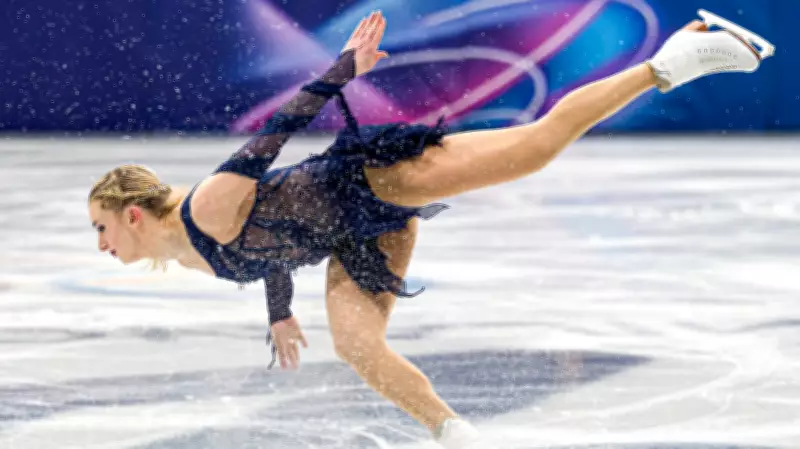
Olympic Champion Amber Glenn Confronts Music Copyright Dispute Following Team Gold Victory
American figure skater Amber Glenn experienced a whirlwind of emotions on Sunday, celebrating an Olympic gold medal as part of the United States team event while simultaneously navigating significant controversy. The newly crowned champion stepped away from social media due to backlash over her political and LGBTQ+ community comments, only to encounter another substantial headache: a copyright dispute over the music used in her free skate program.
Canadian Artist Objects to Unauthorized Use of Song
Canadian musician Seb McKinnon, who produces under the name CLANN, took to social media platform X late Sunday to express his frustration. McKinnon discovered that Glenn had used his song "The Return" in her Olympic free skate routine without obtaining proper permission, despite her using the same music for the past two years without incident.
"So just found out an Olympic figure skater used one of my songs without permission for their routine. It aired all over the world ... what? Is that usual practice for the Olympics?" McKinnon posted shortly after the team competition concluded in Milan.

According to McKinnon, his recording contract specifically states that he alone possesses the authority to license his music for such uses. The artist's public objection has sparked a broader conversation about music rights in competitive figure skating.
Complex Copyright Landscape in Figure Skating
The process of obtaining music permissions for figure skating routines is notoriously complex and often confusing for athletes. Copyright ownership can reside with record labels, producers, artists themselves, or multiple parties simultaneously. Skaters frequently piece together different musical cuts, further complicating clearance requirements.
Third-party companies like ClicknClear attempt to streamline the permission process, but the entire copyright issue remains murky and nuanced for competitors. Historically, copyright concerns were minimal in figure skating because the International Skating Union prohibited music with vocals, and most classical compositions fell into the public domain.
However, when the ISU relaxed these rules in 2014, allowing modern music with vocals, artists began demanding proper compensation for their work. This shift created new challenges for skaters and their support teams.
Previous Controversies and Current Backlash
This copyright dispute represents just one aspect of the controversy surrounding Glenn at the Milan Cortina Games. The outspoken LGBTQ+ rights activist faced significant social media backlash and even threats after commenting during a pre-Olympics press conference about the challenging political climate for queer communities.
"I was disappointed because I've never had so many people wish me harm before, just for being me and speaking about being decent — human rights and decency," Glenn said Sunday night while wearing an LGBTQ+ pin during the team medal ceremony.
The current music copyright issue echoes similar problems that emerged during the 2022 Beijing Olympics, when indie artists objected to their music being used without permission. That controversy prompted the ISU to develop systems aimed at helping skaters avoid copyright infringement claims.
Skating Community Responds to Copyright Concerns
Glenn expressed frustration with the copyright situation in a pre-Games interview, stating, "It's never been an issue and then suddenly it is, and I don't understand why. It just feels like a cash grab for different companies, and it's really upsetting that they can't just appreciate that their music has inspired something creative."
Justin Dillon, director of high performance for U.S. Figure Skating, confirmed that the governing body has worked to help skaters navigate copyright issues, though it remains unclear whether the organization played any role in Glenn's music approval process.
Numerous fans and fellow skaters have defended Glenn's position. Retired Canadian pairs skater Meagan Duhamel, a two-time Olympian and three-time medalist, commented, "I'd be so honored that someone wants to skate to my music and give the music some amazing exposure."

The skating community has witnessed positive collaborations between musicians and skaters in the past. After Nathan Chen won gold at the Beijing Games with a free skate set to "Rocket Man," Elton John praised the American's performance, and the two later collaborated on a music video.
As American teammate Alysa Liu emphasized, "We really rely on our music. Without music, we're not really our sport." This sentiment underscores the fundamental importance of musical accompaniment in figure skating while highlighting the complex copyright landscape athletes must navigate.
Neither Glenn nor U.S. Figure Skating officials were immediately available for comment on the copyright claims early Monday, leaving questions unanswered about how this dispute might affect future competitions and music selection processes in the sport.