Edmonton Welcomes Global Ice Climbing Elite for World Cup Finale
From February 26 to 28, 2026, Edmonton transformed into a hub of high-stakes athleticism as it hosted the final round of the UIAA Ice Climbing World Cup. The event, held at Louise McKinney Riverfront Park along the North Saskatchewan River valley, drew top competitors from around the world, marking a pivotal moment in the global climbing season.
A Diverse Field of International Talent
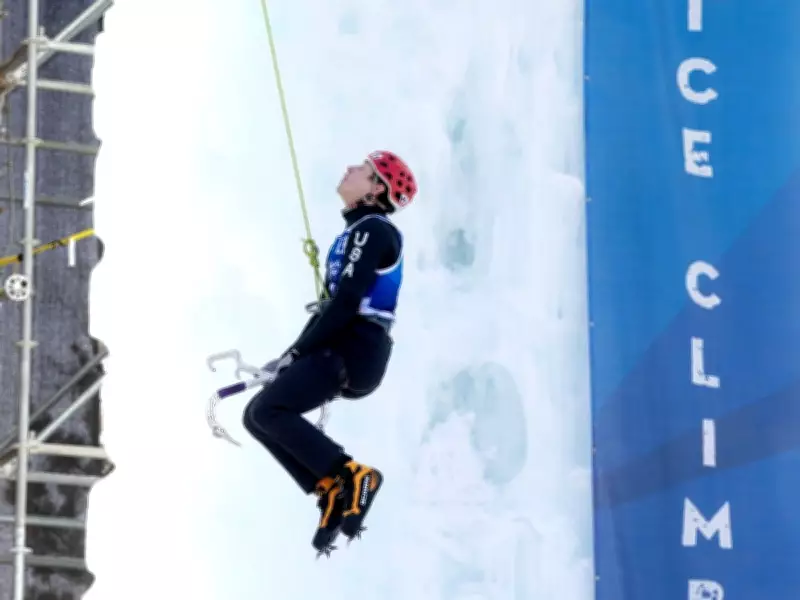
Athletes representing nations such as Canada, Czechia, France, Germany, Britain, Hong Kong-China, Iran, Ireland, Japan, Liechtenstein, Mongolia, Netherlands, Poland, Slovakia, Slovenia, Spain, Switzerland, and the United States gathered to test their mettle. They competed in both lead and speed disciplines, scaling towering artificial ice structures and dry-tooling routes specifically engineered for peak performance.
In the lead events, climbers demonstrated endurance, precision, and strategic route planning, using crampons and ice tools to navigate steep overhangs. The speed events offered a contrasting spectacle of fast-paced, head-to-head racing, where athletes sprinted up identical routes in explosive, high-intensity runs that captivated spectators.

Decisive Moments in a Season Final
Organized in collaboration with the Alpine Club of Canada, the Edmonton round played a critical role in determining final season standings. With championship ambitions on the line, every movement carried significant weight, as athletes vied for overall titles in a fiercely competitive atmosphere.
The combination of cold winter conditions, technical route setting, and the pressure of a season finale produced dramatic and unpredictable competition. Set against Edmonton's striking urban backdrop, the event highlighted the strength, speed, and technical precision that define modern competitive ice climbing, offering a thrilling showcase for fans and participants alike.
Showcasing the Sport's Evolution
This World Cup event not only celebrated athletic excellence but also underscored the growing popularity and sophistication of ice climbing as a sport. The artificial structures allowed for consistent and challenging conditions, enabling fair competition while pushing athletes to their limits. As the season concluded in Edmonton, it left a lasting impression of the dedication and skill required to excel in this demanding winter discipline.