Darko Rajakovic's Defining Moment: Raptors Coach Faces Playoff Test
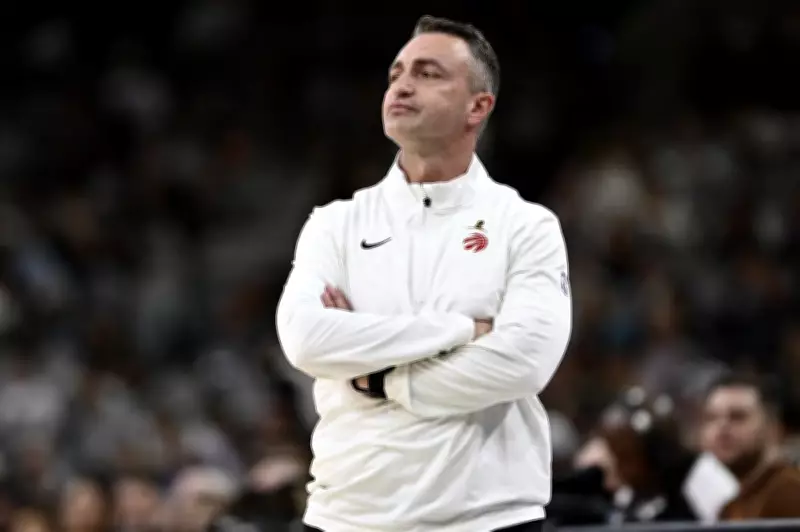
Darko Rajakovic entered the Toronto Raptors interview room and paused momentarily, surveying the unusually large crowd of journalists awaiting his arrival. The heightened attention signaled something different about this particular media session—the Raptors were preparing for their first playoff appearance in four years, and their head coach found himself at the center of the basketball world's focus.
A Team Unfamiliar with Playoff Pressure
The Toronto Raptors enter their first-round series against the Cleveland Cavaliers with remarkably limited postseason experience throughout their roster. This represents unfamiliar territory for both the coaching staff and many key players who have never competed at this level of intensity.
Scottie Barnes, the versatile forward entering his fifth NBA season, has participated in just one playoff series during his career—an appearance cut short by injury. Despite emerging as a multifaceted talent who contributes across multiple statistical categories, Barnes has never advanced beyond the first round or experienced meaningful postseason success.

Veteran forward Brandon Ingram brings slightly more experience but limited playoff achievements. During his nine seasons before joining Toronto, Ingram participated in only two playoff appearances and secured just two postseason victories. His three seasons with the Los Angeles Lakers coincided with the franchise's rare playoff drought, making this Toronto opportunity particularly significant for his career narrative.
The Coach's Moment of Definition
For Rajakovic, this playoff series represents more than just another basketball challenge—it's an opportunity to define his coaching legacy. Much like his predecessors Nick Nurse and Dwane Casey, who established their reputations through postseason performances, Rajakovic now faces his own moment of basketball truth.
"We didn't really know Nick Nurse until his series with the Philadelphia 76ers in 2019," the analysis suggests. "We didn't really know Dwane Casey before his playoff ups and downs in Toronto. This isn't just a time of year for players to be explained. This is a time of year to understand how well-coached your favourite team happens to be."
The playoffs expose coaching capabilities in ways the regular season cannot conceal. Unlike hockey where momentum can sometimes override strategy, basketball requires continuous coaching adjustments throughout all 48 minutes of gameplay. Rajakovic has spent his entire career preparing for this exact moment when the brightest lights would shine on his team—and by extension, on his coaching decisions.
Preparation Meets Physicality
Rajakovic approaches the postseason with characteristic intensity, studying opponents while carefully calibrating how much information to share with his players. He aims to prepare his team thoroughly without overwhelming them, particularly against a Cavaliers squad featuring established stars like James Harden and Donovan Mitchell.
"We are ready," Rajakovic declared confidently. "We play for our fans. We play for the city. We're going to block out all the outside noise and really focus on us."
The coach then acknowledged the inevitable physical challenge awaiting his team: "This is a man's game. It's going to be physical." This reality often serves as the true welcome-to-the-playoffs moment for younger players—the unexpected defensive pressure, contested shots on every possession, and physical play that defines postseason basketball.
Historical Parallels and Current Realities
The current Raptors situation draws comparisons to the 2017 Toronto Maple Leafs, who entered their first playoff series against the Washington Capitals as a young, inexperienced team facing established veterans. Despite ultimately losing that series in six games, the Leafs pushed five contests to overtime and demonstrated they could compete at the highest level.
Similarly, the Raptors enter their series against the 52-win Cavaliers as underdogs after finishing the regular season with 46 victories. The question isn't necessarily whether Toronto can defeat Cleveland, but whether they can compete at the elevated level required for postseason success.

Barnes expressed confidence in his team's capabilities: "I like our chances. I feel like our guards can do a great job of pressuring their guards. I feel we can match their physicality." Regarding the underdog label, Barnes dismissed its significance with characteristic bluntness: "Being an underdog—that doesn't matter."
As the series approaches, Rajakovic remains focused on the opportunity ahead: "This is awesome and this is very exciting for us. Everything we do over the season is preparation for the playoffs." His coaching philosophy—emphasizing team over individual recognition—now faces its ultimate test on basketball's biggest stage.