NBA's 65-Game Rule Faces Intense Scrutiny Following Cunningham's Season-Ending Injury
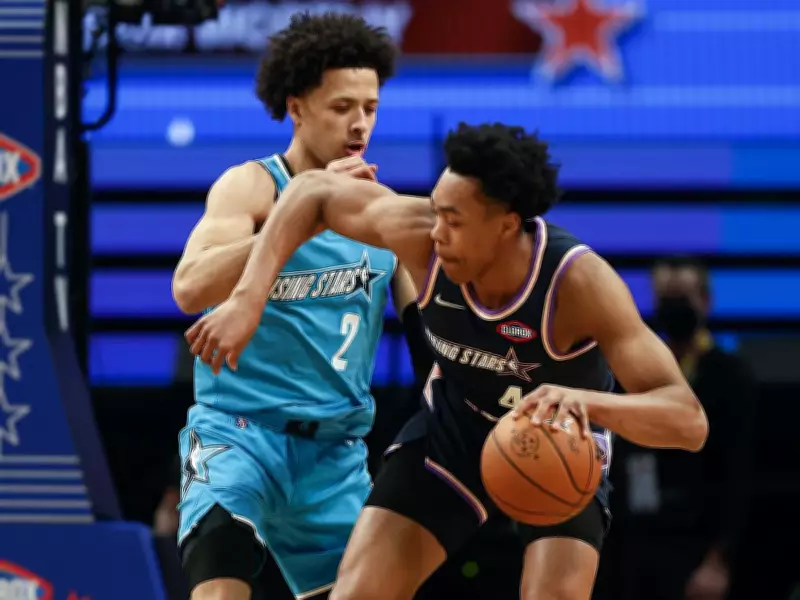
The Detroit Pistons' announcement that superstar point guard Cade Cunningham will be out indefinitely after suffering a collapsed lung has triggered widespread calls for the NBA to reconsider its controversial games played requirement for award eligibility. Cunningham's injury, occurring during a spectacular season where he ranked second in assists per game and 13th in points, has highlighted what many see as a flawed policy that penalizes players for unavoidable medical issues.
The 65-Game Minimum: Intent Versus Reality
Implemented in the 2023-24 season, the NBA's 65-game rule requires players to participate in at least 65 regular season games to qualify for major awards including Most Valuable Player, Defensive Player of the Year, and All-NBA team selections. The policy also mandates that players must log at least 20 minutes in 63 of those 65 games. Originally designed to address criticism about star players frequently skipping games through "load management," the rule aimed to ensure fans received maximum value from ticket purchases and broadcast viewership.
However, the increasing speed and physical demands of modern basketball have led to more significant injuries among top players, creating unintended consequences that now threaten to exclude numerous legitimate award candidates. The Toronto Raptors, who helped popularize load management during Kawhi Leonard's championship season, find themselves at the center of this ongoing debate about player health versus league expectations.

Growing List of Ineligible Superstars
The 2025-26 season has exposed the rule's shortcomings with unprecedented clarity. Beyond Cunningham, who would have been a strong contender for at least second-team All-NBA honors, several other elite players face eligibility challenges:
- Minnesota Timberwolves star Anthony Edwards, who tied with Cunningham for seventh in last season's MVP voting, can only miss five more games to remain eligible but may not return in time to reach the threshold.
- Philadelphia's Tyrese Maxey, another fringe MVP candidate with second-team All-NBA potential, likely won't return in time to qualify.
- Former MVP Joel Embiid has previously been eliminated from award consideration under this rule, while Kawhi Leonard has typically fallen short of the games requirement.
- All-time greats including Giannis Antetokounmpo, Stephen Curry, and LeBron James barely qualified last season and face similar challenges this year.
Even current MVP favorite Shai Gilgeous-Alexander can only miss five more games, while Luka Doncic, Denver's Nikola Jokic, and defensive standout Victor Wembanyama have minimal margin for error with their remaining allowable absences.
Unintended Beneficiaries and Competitive Implications
The exclusion of so many top performers creates opportunities for players having excellent seasons that might not typically result in major awards or first-team All-NBA selections. Eight of last season's 15 All-NBA selections are either already ineligible or likely heading in that direction, fundamentally altering the competitive landscape.
Toronto Raptors franchise player Scottie Barnes, who made his second All-Star appearance this year but has never earned All-NBA or All-Defensive team honors, stands to benefit significantly. Barnes has developed a strong case as a top-three finisher in Defensive Player of Year voting behind Wembanyama, and his performance merits third-team All-NBA consideration even with full competition. The absence of other candidates could potentially elevate him to second-team status.
Proposed Solutions and League Pressure
Several proposals have emerged to address the growing controversy:

- Reducing the games played minimum to 62 or 60 games
- Eliminating the requirement entirely
- Providing additional leeway for significant injuries while maintaining restrictions for rest-related absences
Each approach has supporters and detractors, with no clear consensus emerging. However, if additional top contenders like Gilgeous-Alexander, Jokic, Leonard, Wembanyama, or Doncic fail to reach the 65-game threshold, the NBA will face mounting pressure to implement some form of policy adjustment. The league must balance its legitimate interest in ensuring star availability with the reality that injuries represent an unavoidable aspect of professional sports.
The Cunningham injury has crystallized a debate that has been simmering since the rule's implementation. As the regular season approaches its conclusion, the basketball world watches closely to see how many legitimate award candidates will be excluded by a policy designed to address a different problem entirely.