Team Cuba Confronts US Visa Hurdles as World Baseball Classic Begins
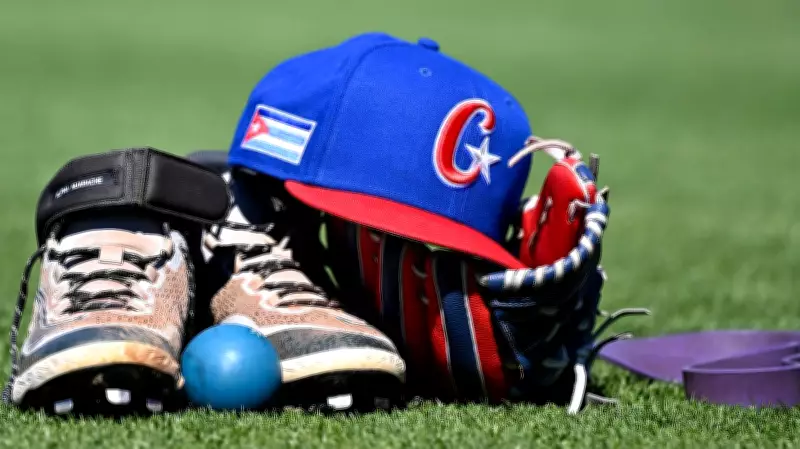
The World Baseball Classic commenced on Thursday, but Team Cuba's participation is overshadowed by significant travel obstacles. The United States has denied visas to multiple Cuban team staff members, preventing them from entering the country for the tournament.
Details of the Visa Denials
Last week, the Cuban Baseball and Softball Federation disclosed that eight individuals, including pitching coach Pedro Luis Lazo, federation president Juan Reinaldo Pérez Pardo, and secretary general Carlos del Pino Muñoz, were refused visas to travel to Puerto Rico for Cuba's games starting Friday. While all players reportedly received approval to travel, the absence of key staff poses logistical and strategic challenges for the team.
This incident is not isolated. In September, the federation announced that the Trump administration initially blocked Cuba's participation in the Classic, an international event featuring top baseball talent. A similar bureaucratic issue occurred under the Biden administration before the team was cleared for the 2023 Classic, indicating a persistent pattern of travel difficulties.

Broader Context of Travel Restrictions
Cuba is among several nations subject to travel restrictions imposed by President Trump last June. Although the administration has stated that athletes, coaches, and staff for major sporting events should be exempt, these visa denials suggest inconsistencies in enforcement. HuffPost has contacted the White House and State Department for comments on the specific cases.
The news emerges amid reports that the Trump administration is pressuring Havana for regime change, with Cuba already grappling with a US fuel blockade. This geopolitical tension directly impacts the sports community, as athletes and officials face heightened barriers to international competition.
Impact on Cuban Sports and Beyond
The visa issue reflects a troubling trend for Cuban athletes, who have reportedly struggled to travel to US events since Trump took office. For instance, pitcher Yariel Rodriguez, set to represent Cuba and a member of the Toronto Blue Jays, exemplifies the players caught in this crossfire, though he was able to secure travel approval.
Other nations under Trump's travel restrictions, such as Venezuela, have not reported similar visa problems for the Classic. A Venezuelan team spokesperson confirmed no issues ahead of their games in Miami, highlighting the selective nature of these enforcement actions.
Implications for Future International Events
With this year's World Baseball Classic primarily hosted in the US, Cuba's visa troubles raise concerns about upcoming global sports competitions. The 2026 FIFA World Cup, scheduled across 16 cities in the US, Canada, and Mexico, could face similar challenges. Teams from Haiti, Senegal, Ivory Coast, and Iran—all under Trump's travel restrictions—are expected to participate, potentially leading to logistical chaos.
Todd Lyons, acting head of Immigration and Customs Enforcement, has emphasized ICE's role in security for World Cup matches in the US. However, immigration attorney Amy Maldonado, who represents five MLB teams, warns of "unprecedented denials" and describes the Trump administration as the most difficult to navigate in her 25-year career. She predicts significant disruption, stating, "I think it's going to cause a lot of chaos."
Precedent of Withdrawals Due to Political Unrest
Already, at least one prominent soccer club has canceled US exhibitions due to political tensions. Last month, Germany's Werder Bremen called off games in Detroit and Minneapolis, citing unrest from Trump's immigration policies. This withdrawal underscores how geopolitical factors are increasingly influencing international sports, affecting not only teams but also fan engagement and economic opportunities.
As the World Baseball Classic unfolds, the visa denials for Cuban staff serve as a stark reminder of the intersection between sports and politics. The situation highlights the need for clearer policies to ensure fair participation in global athletic events, fostering unity rather than division in the international community.