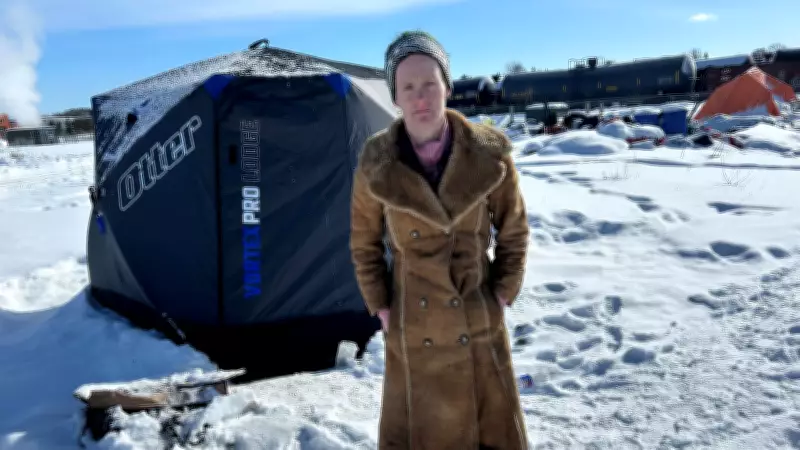
Sudbury's N'Swakamok Indigenous Friendship Centre Repurposes Ice Huts as Emergency Winter Shelters
In a creative and compassionate response to the harsh winter conditions in Northern Ontario, the N'Swakamok Indigenous Friendship Centre in Sudbury has launched an innovative initiative to provide emergency shelter for the city's homeless population. The centre is utilizing donated insulated ice huts, typically used for winter fishing, as temporary winter shelters to offer protection from the extreme cold.
Addressing Winter Homelessness Through Community Collaboration
The initiative represents a practical solution to a pressing seasonal problem in Sudbury, where temperatures can plummet to dangerous levels during winter months. By repurposing these sturdy, insulated structures, the friendship centre is creating immediate, life-saving refuge for vulnerable individuals who might otherwise face exposure to the elements.
This community-driven approach demonstrates how local organizations can develop adaptive strategies to address social challenges with available resources. The ice huts, designed to withstand harsh winter conditions, provide basic but crucial protection from wind, snow, and freezing temperatures.

Building on Indigenous Knowledge and Community Support
The N'Swakamok Indigenous Friendship Centre's initiative reflects Indigenous values of community care and resourcefulness. By transforming recreational equipment into emergency housing, the centre is applying traditional knowledge of surviving northern winters to contemporary urban challenges.
The program relies on community donations and partnerships, highlighting how Sudbury residents and organizations are coming together to support their most vulnerable neighbors during the coldest season. This collaborative effort underscores the importance of local solutions to homelessness, particularly in regions with severe winter climates.
A Temporary Measure with Potential for Broader Impact
While the ice hut shelters serve as an emergency winter response, the initiative has sparked conversations about longer-term solutions for Sudbury's homeless population. The visibility of this creative approach has drawn attention to the ongoing need for affordable housing and comprehensive support services in the community.
The program operates alongside existing shelter services, providing additional capacity during peak demand periods. Staff and volunteers at the friendship centre ensure the shelters are safely maintained and accessible to those in need, offering not just physical protection but also connection to additional support services.
As winter continues in Northern Ontario, this innovative use of ice huts demonstrates how communities can develop immediate, practical responses to urgent social needs while working toward more permanent solutions for homelessness and housing insecurity.