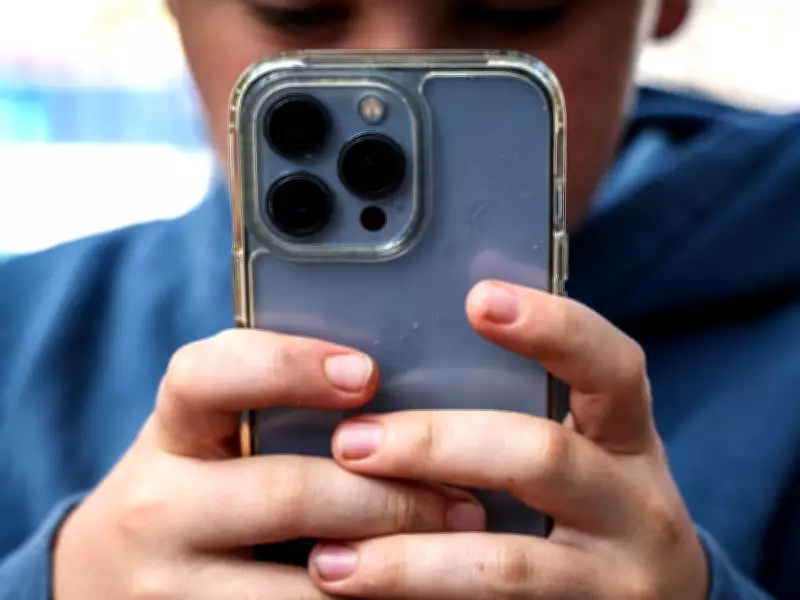
A recent survey indicates that Americans strongly oppose government regulation of social media, preferring that parents set rules for their children's online activities. The findings come amid global efforts by politicians to restrict or ban social media access for minors.
Global Push for Social Media Restrictions
European Commission President Ursula von der Leyen recently addressed EU leaders on the need to regulate children's access to social media. She proposed legislation to limit kids' use of popular platforms, citing risks such as addiction and mental health impacts. Australia has already implemented a ban on social media for under-16s, though enforcement has been challenging. The UK's Molly Rose Foundation and Australia's eSafety Commissioner report that many teens easily evade the ban.
U.S. Constitutional Hurdles
In the United States, Congress is considering the Kids Online Safety Act (KOSA), which would regulate minors' access to social media. However, the bill faces constitutional challenges. The Electronic Frontier Foundation's Aaron Mackey and Jason Kelley argue that KOSA creates content-based restrictions that are presumptively unconstitutional under the First Amendment.

Public Opinion on Social Media Oversight
The Foundation for Individual Rights and Expression (FIRE) released a poll showing that 79% of Americans distrust social media companies to oversee children's use, while only 6% trust them significantly. More importantly, a majority of respondents believe parents, not the government, should set online rules for their children. This sentiment reflects a broader distrust of both tech firms and politicians in managing online content.
Experts note that while concerns about social media's impact on youth are valid, government bans may be ineffective and infringe on free speech. The survey underscores a preference for parental involvement over legislative mandates, suggesting that education and family-based solutions are more widely accepted than top-down regulation.