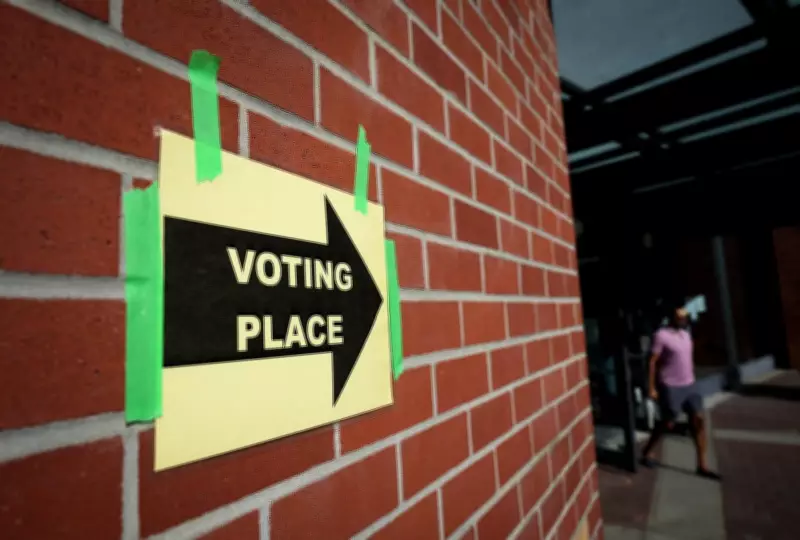
Vancouver's Left-Wing Parties Forge Agreement to Limit Election Candidates
In a significant political development, Vancouver's left-wing parties have come together to agree on limiting the number of candidates they will field in future municipal elections. This strategic move, described by insiders as 'a practical step', is designed to address long-standing issues of vote-splitting that have historically weakened their electoral performance. By coordinating their efforts, these parties aim to present a more unified front and enhance their chances of securing seats on the city council and other local governing bodies.
Background and Rationale for the Agreement
The decision stems from years of electoral challenges where multiple left-wing candidates often competed against each other, diluting the progressive vote and allowing centrist or right-wing candidates to win with smaller pluralities. This phenomenon, known as vote-splitting, has been a persistent hurdle for Vancouver's left-leaning factions, which include parties like the Green Party, various socialist groups, and independent progressive movements. The agreement seeks to streamline candidate nominations, ensuring that resources and voter support are concentrated rather than fragmented.
Key aspects of the agreement include:

- A commitment to field a reduced number of candidates in key electoral districts.
- Collaborative discussions to avoid overlapping candidacies in wards with high progressive voter bases.
- Shared strategies for campaign messaging and voter outreach to maximize impact.
Implications for Vancouver's Political Landscape
This pact could reshape Vancouver's municipal politics by potentially increasing the representation of left-wing voices in city governance. Analysts suggest that by minimizing internal competition, these parties might gain a stronger foothold in council decisions, influencing policies on issues such as housing affordability, climate action, and social services. However, critics argue that limiting candidates might reduce voter choice and could alienate some supporters who prefer a broader range of progressive options.
The move reflects a growing trend in Canadian politics where smaller parties form alliances to counter dominant political forces. In Vancouver, where municipal elections often see tight races, this agreement could be a game-changer. It also highlights the ongoing evolution of left-wing strategies in urban centers, adapting to electoral systems that favor consolidation over fragmentation.
Future Outlook and Challenges
While the agreement marks a proactive step, its success will depend on effective implementation and party discipline. Potential challenges include managing internal disagreements over candidate selection and maintaining unity amid diverse ideological perspectives within the left-wing spectrum. Additionally, the response from voters and other political actors will be crucial in determining whether this strategy leads to tangible electoral gains.
As Vancouver prepares for its next municipal election, this candidate-limiting pact sets the stage for a more coordinated and potentially more competitive left-wing campaign. Observers will be watching closely to see if this 'practical step' translates into increased political influence for progressive causes in the city.