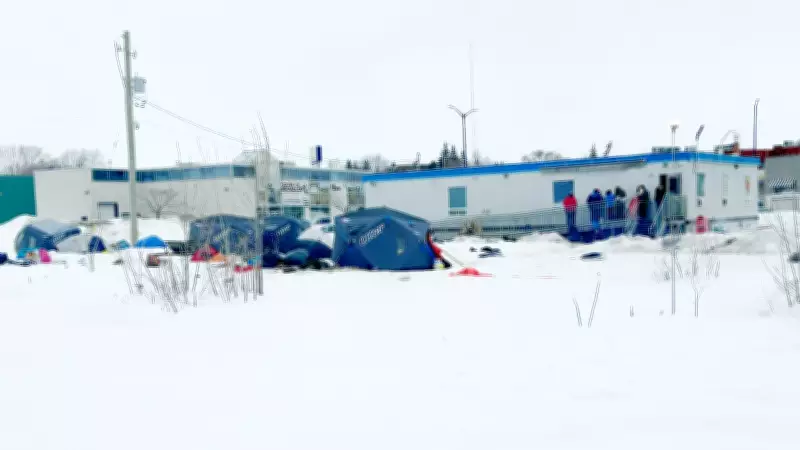
Sudbury's Energy Court Warming Centre to Reduce Hours, Transition to Cooling Drop-in
In a significant operational shift, the Energy Court warming centre in Sudbury, which has been providing round-the-clock services, is set to see its hours dramatically reduced. Starting May 1, 2026, the facility will transition from operating 24 hours a day to just eight hours daily, while also changing its primary function from a warming centre to a cooling drop-in centre.
Operational Changes and Community Impact
The decision to reduce hours and alter the centre's purpose comes as part of broader adjustments to social service delivery in Northern Ontario. The Energy Court location has served as a critical hub for vulnerable populations, particularly during harsh winter months when shelter from extreme cold is essential for survival. The reduction from continuous operation to an eight-hour daily schedule represents a substantial decrease in accessibility for those relying on these services.
Community organizations and advocates have expressed concern about the potential impact of these changes, particularly for homeless individuals and those living in precarious housing situations. The transition from a warming centre to a cooling drop-in suggests a seasonal shift in focus, potentially indicating that the facility will now prioritize providing relief during hot summer months rather than protection from winter cold.

Timing and Implementation
The changes are scheduled to take effect on May 1, 2026, coinciding with the traditional transition from colder to warmer weather in the Sudbury region. This timing suggests strategic planning around seasonal needs, though it leaves questions about how vulnerable populations will access similar services during future winter seasons.
Local officials have not yet provided detailed information about alternative arrangements for winter warming services, nor have they clarified whether additional resources will be allocated to address the reduced hours at Energy Court. The eight-hour daily operation represents approximately one-third of the current service availability, potentially creating significant gaps in social service coverage.
Broader Context of Social Services in Northern Ontario
This development occurs within a complex landscape of social service provision across Northern Ontario communities. Other regions have faced similar challenges with maintaining consistent access to essential services, particularly in remote areas with limited infrastructure and resources.
The Energy Court facility has been a notable example of 24-hour service provision in an urban centre, making its reduced hours particularly noteworthy for social service advocates and policymakers. The transition to a cooling drop-in centre reflects evolving approaches to addressing climate-related health risks, including both extreme cold and heat events that have become more frequent in recent years.
As implementation approaches, community stakeholders are calling for transparent communication about how the changes will affect service users and what complementary measures will be implemented to ensure continued support for vulnerable populations throughout all seasons.