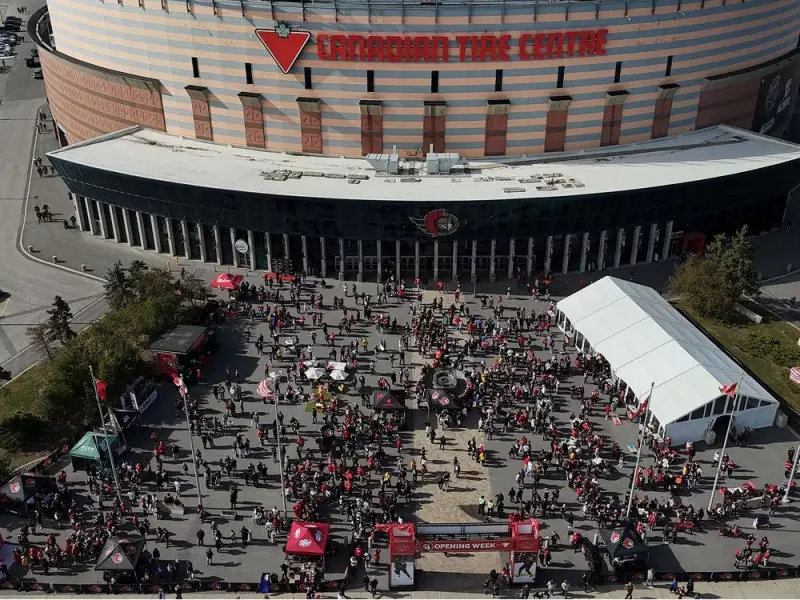
The Ottawa Senators are actively pursuing a move from their current home at the Canadian Tire Centre, a plan that in itself is a common evolution for professional sports franchises. However, the method of financing this potential new downtown arena has sparked significant debate. The organization has reportedly enlisted a team of lobbyists to seek financial support from both the federal and Ontario provincial governments.
The Core Question: Why Should Taxpayers Fund a Billion-Dollar Business?
This move raises a fundamental question about the role of public money in private sports enterprises. The Senators franchise is currently valued at nearly $1.4 billion, a figure that represents a fourfold increase from its worth just a decade ago. Given this substantial valuation, critics argue the team possesses the financial capacity to fund its own facilities.
Historical precedent within Canadian sports supports this argument. When the Montreal Canadiens required a new arena in the 1990s, they financed the project privately. Similarly, NBA teams like the Toronto Raptors and the former Vancouver Grizzlies built their venues without relying on taxpayer subsidies. Even the Senators' current home, the Canadian Tire Centre, was originally constructed with private funding.

A Pattern of Public Subsidies in Canadian Hockey
The concern in Ottawa is amplified by recent, costly examples in other Canadian cities where taxpayers have borne a heavy burden for NHL arenas. In Calgary, a deal for a new arena for the Flames will see taxpayers billed for $867 million between municipal and provincial contributions. Edmontonians are also familiar with this model, as their city government provided over $300 million in public funds for the construction of Rogers Place for the Oilers.
These cases serve as a cautionary tale for Ottawa residents and their elected officials. The opinion asserts that if the Senators genuinely believe it is time to leave Kanata for a downtown location at LeBreton Flats, the franchise should be prepared to "put their money where their mouths are" and finance the project independently.
The Call for Political Resolve
The onus now falls on political leaders to resist the pressure for subsidies. The opinion piece explicitly calls on Prime Minister Mark Carney and Ontario Premier Doug Ford to stiffen their resolve and decline requests to use public money for the benefit of a privately owned, billion-dollar sports franchise. The argument concludes that hockey, while a beloved national pastime, does not justify diverting state funds from public priorities to underwrite private sports palaces.
The core message remains clear: professional sports teams are lucrative businesses, and their infrastructure investments should be their own responsibility, not a new line item on the public ledger.