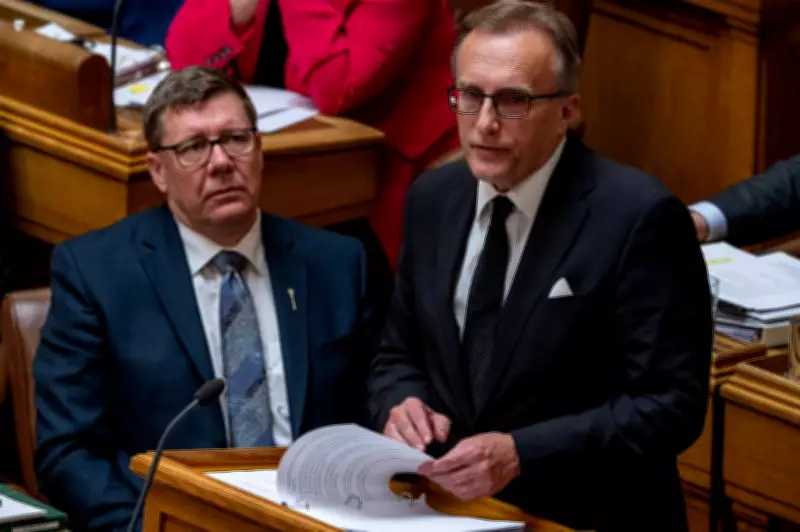
As Saskatchewan approaches the 2026-27 fiscal year, Premier Scott Moe's government is poised to present a budget that will operate in deficit, with a sharp focus on bolstering health care and mitigating the impact of rising living costs on residents. This financial plan, expected to be unveiled in the coming months, underscores the province's commitment to addressing pressing economic and social challenges amid ongoing fiscal constraints.
Deficit Budget Amid Economic Pressures
The decision to run a deficit reflects the complex economic landscape facing Saskatchewan, where increasing demands on public services and inflationary pressures have necessitated strategic spending. Premier Moe's administration is prioritizing investments in health care infrastructure and support systems, aiming to enhance accessibility and quality of care across the province. This move comes as many Canadians grapple with higher costs for essentials like housing, food, and energy, making living affordability a central theme in the budget discussions.
Health Care as a Top Priority
Health care is set to receive significant attention in the 2026-27 budget, with plans to allocate resources toward improving hospital services, mental health programs, and long-term care facilities. The government's emphasis on this sector responds to growing public concerns over wait times, staffing shortages, and the overall resilience of the health system. By channeling funds into these areas, Saskatchewan aims to build a more robust and responsive health network that can better serve its population in the years ahead.

Addressing Rising Living Costs
In addition to health care, the budget will include measures to tackle the escalating cost of living, which has been a source of financial strain for many households. Initiatives may involve targeted subsidies, tax relief, or support programs designed to ease the burden on low- and middle-income families. The government's approach seeks to balance fiscal responsibility with direct assistance, ensuring that economic growth benefits all residents while managing the deficit responsibly.
Broader Context and Implications
The upcoming budget is part of a broader provincial strategy to navigate post-pandemic recovery and global economic uncertainties. By focusing on health care and living costs, Saskatchewan aligns with trends seen in other Canadian provinces, where governments are increasingly prioritizing social welfare in their financial planning. However, the deficit aspect raises questions about long-term sustainability, with critics likely to scrutinize the balance between spending and revenue generation.
As details emerge, stakeholders from various sectors—including business, labor, and community groups—will be watching closely to see how the budget impacts their interests. The presentation by Premier Moe's team is expected to outline not only immediate allocations but also a vision for Saskatchewan's economic future, emphasizing resilience and equity in the face of ongoing challenges.