Saskatchewan's Political Rivals Lock Horns Over Upcoming Budget
The political landscape in Saskatchewan is heating up as the New Democratic Party (NDP) and the governing Sask. Party continue their war of words over the 2026-27 provincial budget. This ongoing conflict underscores the deep ideological divides between the two major parties, with each side accusing the other of fiscal irresponsibility and failing to address the needs of Saskatchewan residents.
Escalating Rhetoric and Accusations
In recent weeks, the exchange of criticisms has intensified, with NDP leaders lambasting the Sask. Party for what they describe as a lack of transparency and inadequate funding for essential services such as healthcare and education. The NDP argues that the current government's budgetary priorities are misaligned with the pressing issues facing the province, including economic instability and social inequality.
Conversely, the Sask. Party has fired back, defending its fiscal management and accusing the NDP of proposing unrealistic spending plans that could jeopardize Saskatchewan's economic recovery. Government officials emphasize their commitment to balanced budgets and targeted investments in key sectors like infrastructure and resource development.

Key Points of Contention
The debate centers on several critical areas:
- Healthcare Funding: The NDP is pushing for increased allocations to reduce wait times and improve access to medical services, while the Sask. Party highlights existing investments and efficiency measures.
- Education Budgets: Disagreements over funding for schools and post-secondary institutions have sparked heated discussions, with both parties presenting contrasting visions for the future of education in Saskatchewan.
- Economic Policies: The Sask. Party's focus on tax cuts and business incentives is met with skepticism from the NDP, which advocates for more robust social programs and support for low-income families.
Broader Political Implications
This budgetary clash is not just about numbers; it reflects a broader struggle for political dominance in Saskatchewan. As the 2026-27 fiscal year approaches, the outcome of this debate could influence public opinion and set the stage for future elections. Both parties are leveraging the budget discussions to rally their bases and attract undecided voters, making every statement and proposal a strategic move in the larger political game.
Observers note that the intensity of the rhetoric suggests neither side is willing to back down, potentially leading to legislative gridlock if compromises are not reached. The situation is further complicated by external economic pressures, such as fluctuating resource prices and global market uncertainties, which add layers of complexity to the budgetary planning process.
Looking Ahead
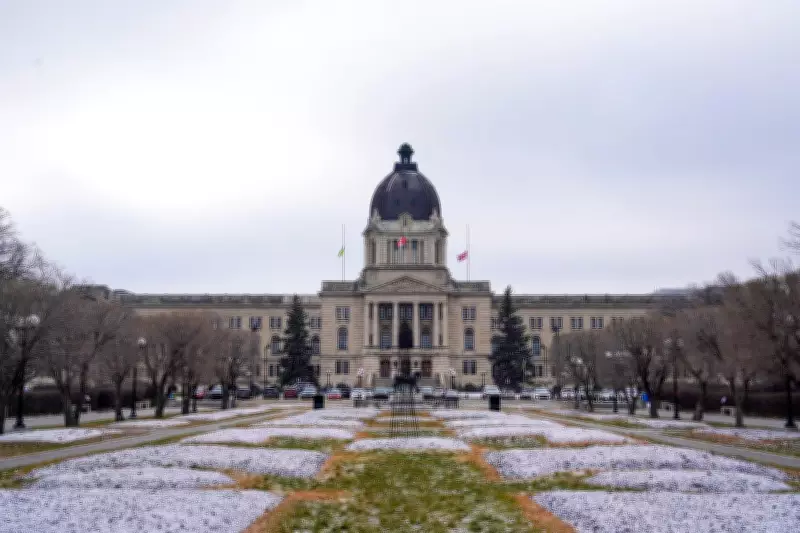
As the deadline for the budget announcement draws nearer, all eyes are on Regina, where the Legislative Building serves as the backdrop for these high-stakes negotiations. The ongoing war of words between the NDP and Sask. Party is expected to continue, with each side poised to unveil detailed proposals and counterarguments in the coming months. The resolution of this conflict will not only shape Saskatchewan's financial future but also define the political trajectory of the province for years to come.