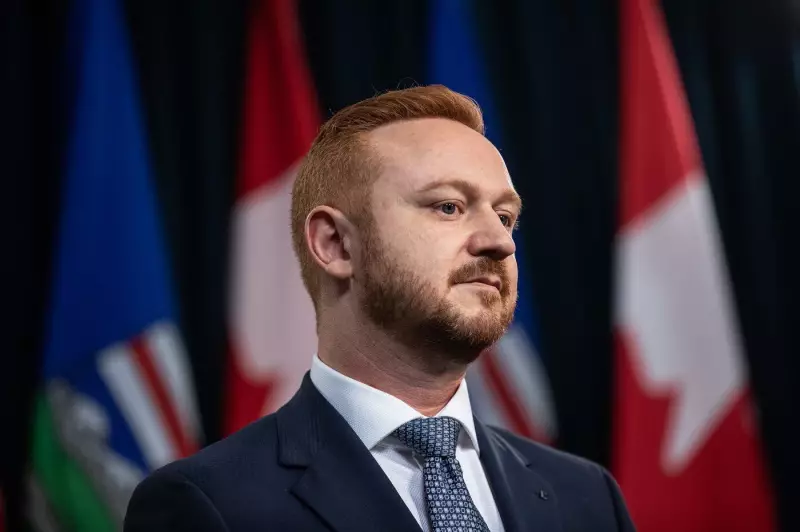
Alberta's Justice Minister, Mickey Amery, is now the subject of a formal recall petition, a direct challenge to his position following his announcement of proposed changes to democratic process laws earlier this year.
The Petition and Its Context
The recall effort against Minister Mickey Amery was officially initiated on December 17, 2025. This action utilizes a legislative tool designed to hold elected officials accountable between general elections. The petition's launch comes months after Amery, in his capacity as the province's top justice official, unveiled a series of proposed amendments to several pieces of legislation governing Alberta's democratic processes.
Those proposed changes were announced at a high-profile event in Edmonton on Tuesday, April 29, 2025. While the specific details of the legislative amendments were not reiterated in the recall notice, they form the backdrop of the current political challenge. The recall mechanism itself is a feature of the very democratic framework the minister oversees.

Understanding the Recall Process in Alberta
For the petition to succeed and potentially trigger a by-election, organizers must gather signatures from a significant percentage of eligible voters in Amery's constituency. The process is stringent, requiring verified signatures and adherence to strict electoral rules. This move against a sitting cabinet minister highlights the increasing use and political significance of recall legislation in the province.
The petition does not allege any specific misconduct but represents a direct response from constituents or political opponents to the minister's policy direction and actions. It is a formalized expression of dissent, testing Amery's support within his own riding following his legislative agenda.
Political Repercussions and Next Steps
The filing of this petition places Justice Minister Mickey Amery in a rare and politically precarious position. While recall attempts are not uncommon, successful ones are far rarer, requiring a substantial grassroots mobilization. The process will now enter a critical phase of signature gathering and verification.
This development is sure to dominate political discourse in Alberta, focusing attention on the government's proposed changes to democratic laws and the public's recourse to challenge its representatives. The coming weeks will determine whether the petition gains the necessary momentum to proceed to the next stage, posing a serious test to the minister's standing and potentially influencing the government's broader policy trajectory.
All eyes will be on the electoral officer's updates regarding signature validation, as this petition could set a significant precedent for political accountability in Alberta.