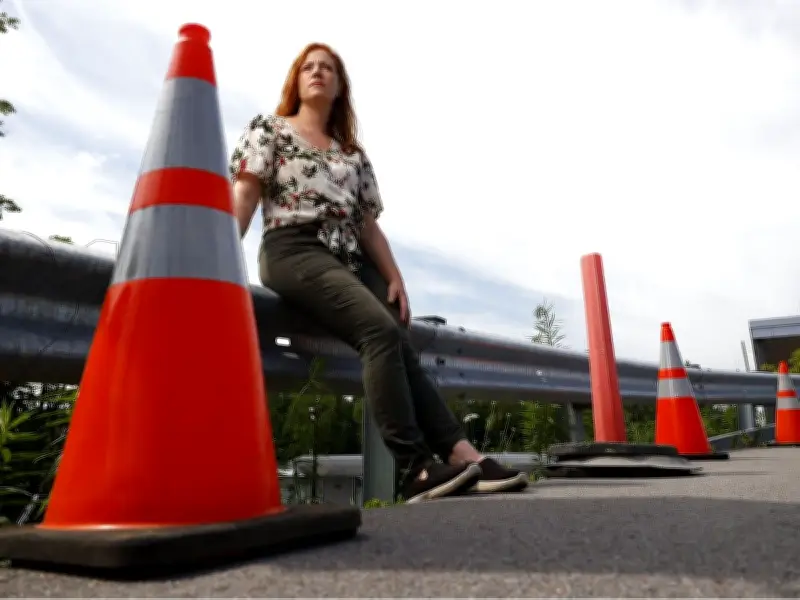
College ward Coun. Laine Johnson is calling for improved coordination of construction projects in Ottawa, citing a lack of communication between the city, the province, and utility companies that leads to overlapping work and increased disruptions for residents.
The city manages approximately 700 municipally funded infrastructure projects each year, with $691.3 million allocated in the 2026 budget for roads, bridges, buildings, parks, sidewalks, and paths. However, this figure excludes highway work by the provincial Ministry of Transportation, projects on National Capital Commission land, and utility company upgrades.
Conflicting projects cause headaches
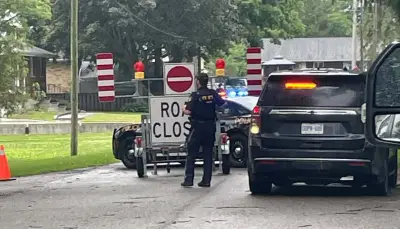
Johnson highlighted a recent example where province-led lane closures on Highway 417 coincided with LRT construction near the Pinecrest and Holly Acres on- and off-ramps. She also encountered a detour plan for another project that rerouted traffic through an intersection already dealing with construction-related lane closures.

“There are a lot of separate groups that are all working in the same area, but all under different managers, with different software and with different timelines that cause residents to kind of scratch their heads,” Johnson said. She noted that no single coordination office exists at the City of Ottawa to track all projects or help groups plan around each other.
Accountability gaps
Johnson expressed concern that coordination is viewed as a shared responsibility between staff and councillors, which risks becoming no one’s responsibility. “My impression within the city sometimes is that it’s mutually understood as a shared accountability to co-ordinate, which can have the risk of having it be no one’s accountability,” she said. “And I’m not sure that residents aren’t left at the short end of the stick with that.”
The idea of better coordination is not new. Since Ottawa’s amalgamation in 2001, consultants have been brought in to explore how different city projects could communicate with each other, but progress has been limited.
Technology solutions sought
Johnson believes a technology solution could address the coordination challenge. “I can’t imagine in this day and age that there isn’t a technology solution for it,” she said. She plans to continue asking questions about how construction projects can be better coordinated and how residents can be notified of potential impacts on their travel.