Majority of Canadians Demand Stronger Action on Renovation Fraud
A recent Nanos Poll has found that a significant majority of Canadians believe governments should increase efforts to safeguard consumers from renovation fraud. The survey, conducted on behalf of CTV News, highlights growing public concern over dishonest contractors and the financial and emotional toll on victims.
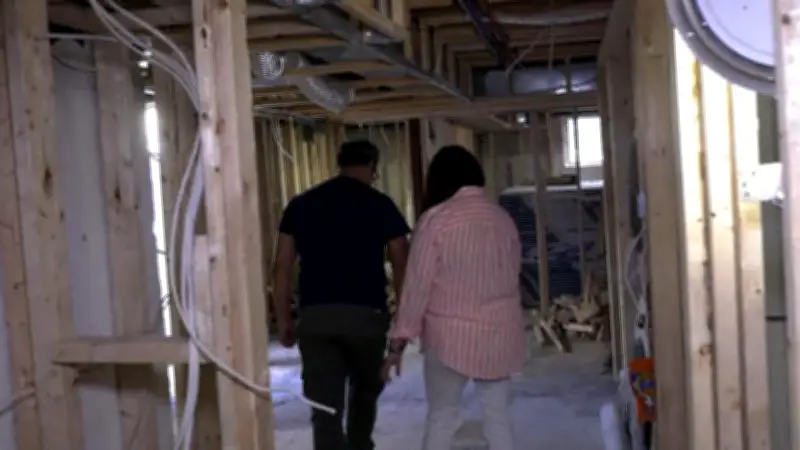
Gino and Cristabell Carletti of Mississauga, Ontario, shared their harrowing experience with CTV News. The couple paid thousands of dollars to contractors who failed to complete promised renovations, leaving them with unfinished work and financial strain. Their story underscores the widespread nature of the problem.
Poll Results Reveal Strong Public Sentiment
According to the Nanos Poll, over 80% of respondents agreed that governments should do more to protect consumers from renovation fraud. The sentiment was consistent across regions and demographics, indicating a unified call for action. Nik Nanos, chief data scientist at Nanos Research, noted that the findings reflect a lack of confidence in current consumer protection measures.

“Canadians are clearly frustrated and want their governments to step up,” Nanos said. “The prevalence of renovation fraud has eroded trust, and people are looking for stronger regulations and enforcement.”
Impact on Victims and Calls for Reform
The Carlettis’ ordeal is not unique. Many Canadians have fallen prey to fraudulent contractors, losing thousands of dollars and facing substandard or incomplete work. Victims often struggle to recover their money through legal channels, which can be costly and time-consuming.
Consumer advocacy groups are urging governments to implement measures such as mandatory licensing for contractors, bonding requirements, and a public registry of complaints. They also call for increased funding for consumer protection agencies and stiffer penalties for fraudsters.
“We need a system that prevents fraud before it happens, not just one that tries to clean up afterward,” said a spokesperson for the Canadian Consumer Protection Association. “The poll shows that Canadians agree.”
Government Response and Next Steps
Several provinces have already taken steps to address renovation fraud. Ontario, for example, introduced a new licensing regime for home renovation contractors in 2025. However, advocates argue that more needs to be done, particularly in terms of cross-provincial coordination and public education.
The federal government has also signaled interest in the issue. A spokesperson for Innovation, Science and Economic Development Canada said the agency is reviewing the poll results and considering potential federal actions, such as a national consumer fraud database.
“We are committed to protecting Canadian consumers,” the spokesperson said. “We will continue to work with provinces and territories to strengthen safeguards against renovation fraud.”
For now, victims like the Carlettis hope their story will spur change. “We don’t want others to go through what we did,” Gino Carletti said. “We need governments to take this seriously.”