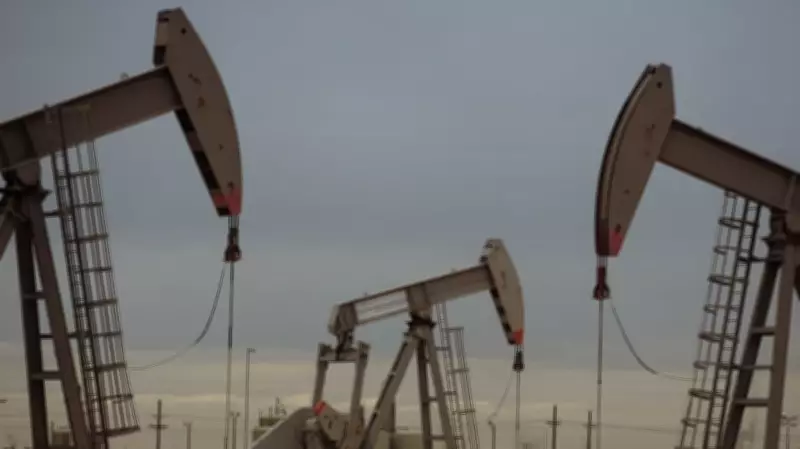
Canadian Natural Resources Ltd. president Tim McKay stated that the growth of the oil sands sector is contingent upon the construction of a new pipeline to the West Coast. Speaking at a conference, McKay emphasized that without additional pipeline capacity, the industry's expansion potential is limited.
Pipeline Essential for Growth
McKay highlighted that current pipeline infrastructure is nearly at capacity, restricting production increases. He noted that the proposed pipeline would open access to international markets, reducing Canada's reliance on the U.S. market and potentially securing better prices for Canadian crude.
Industry Challenges
The oil sands industry faces several challenges, including regulatory hurdles and environmental opposition. McKay acknowledged these issues but stressed that the economic benefits of pipeline development outweigh the obstacles. He cited job creation, tax revenues, and energy security as key advantages.

Environmental groups have opposed new pipeline projects, citing concerns about greenhouse gas emissions and potential spills. However, McKay argued that modern pipeline technology is safe and that the industry is committed to reducing its environmental footprint.
Government Support Needed
McKay called for government support to expedite the regulatory approval process for the pipeline. He noted that delays in permitting have hindered investment and that a streamlined process would attract capital to the sector.
The Canadian government has expressed support for pipeline projects as part of its strategy to diversify energy exports. However, provincial and federal disagreements over environmental policies have slowed progress.
Economic Impact
The oil sands are a significant contributor to Canada's economy, supporting thousands of jobs and generating billions in revenue. McKay warned that without new pipeline capacity, the sector could face stagnation, leading to job losses and reduced economic activity.
Industry analysts agree that pipeline infrastructure is critical for the oil sands' future. They note that competing producers, such as the U.S., have expanded their pipeline networks, putting Canadian producers at a disadvantage.
McKay concluded by urging all stakeholders to work together to advance the pipeline project, emphasizing that the long-term prosperity of the oil sands depends on it.