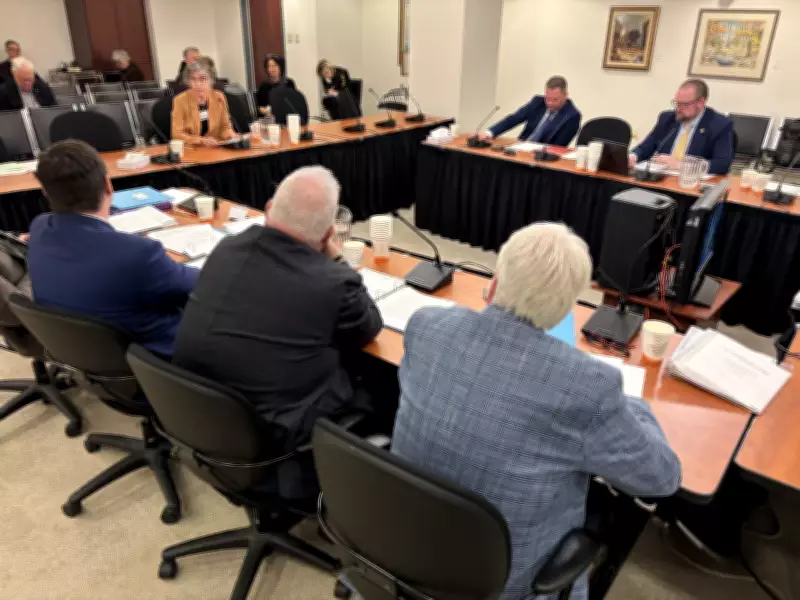
Nova Scotians Use Bill 148 Hearing to Voice Concerns Over Budget Cuts
In a recent session of the Nova Scotia public bills committee, citizens and professionals gathered to express their deep concerns regarding proposed provincial budget cuts. The hearing, focused on Bill 148, provided a platform for diverse voices to highlight the potential impacts of financial reductions on essential services and community well-being.
Expert Testimony Highlights Environmental and Health Risks
Among the speakers was Dr. Catherine Cervin, the Nova Scotia chair of the Canadian Association of Physicians for the Environment. She emphasized that budget cuts could undermine public health initiatives and environmental protections, warning that short-term savings might lead to long-term costs in healthcare and ecological degradation. "We must consider the broader implications of these fiscal decisions," Dr. Cervin stated, urging policymakers to prioritize sustainable funding for critical programs.
Public Outcry Over Service Reductions
Residents from various backgrounds shared personal stories and data-driven arguments against the cuts. Key concerns included:

- Potential reductions in healthcare accessibility and quality, particularly in rural areas.
- Threats to education funding, which could affect student outcomes and school resources.
- Impacts on social services, such as support for vulnerable populations including seniors and low-income families.
- Environmental programs facing defunding, risking Nova Scotia's natural heritage and climate resilience efforts.
Many attendees argued that the budget cuts, if implemented, could exacerbate existing inequalities and hinder the province's recovery from economic challenges.
Broader Context of Fiscal Policy Debates
This hearing occurs amid ongoing debates about fiscal responsibility and public investment across Canada. Similar discussions have emerged in other provinces, reflecting a national tension between austerity measures and the need for robust public services. In Nova Scotia, the Bill 148 proceedings underscore the importance of transparent governance and community engagement in shaping budgetary decisions.
As the committee reviews feedback, stakeholders await further developments, hoping that their voices will influence the final budget outcomes. The session highlighted a collective call for balanced approaches that safeguard essential services while addressing financial constraints.