The fiscal health of Newfoundland and Labrador has taken a significant turn for the worse, with the provincial government revealing a dramatically larger budget shortfall. The projected deficit for the 2025-26 fiscal year has ballooned to $948 million, marking a staggering 51% increase from previous estimates.
Finance Minister Addresses Worsening Fiscal Picture
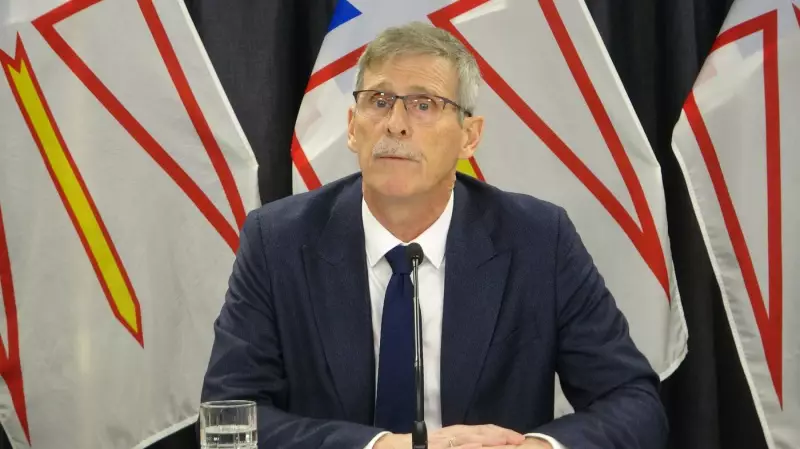
Provincial Finance Minister Craig Pardy delivered the sobering update to reporters in St. John's on Tuesday, December 16, 2025. The announcement came as part of a mid-year fiscal review, painting a concerning picture of the province's economic trajectory. Minister Pardy outlined the factors contributing to the expanded gap between government spending and revenue.
The sharp rise in the deficit is attributed to a combination of lower-than-expected revenues and increased program spending pressures. Key sectors that contribute to provincial coffers have underperformed forecasts, while demands on public services, particularly in healthcare and infrastructure, have continued to grow. This fiscal update forces a recalibration of the government's financial strategy moving forward.

Implications for Provincial Programs and Services
A deficit of this magnitude, nearly a billion dollars, poses serious challenges for the government's policy agenda and its ability to deliver services. It places increased pressure on the provincial treasury and raises questions about potential austerity measures or revenue-generating initiatives that may be required to stabilize the books.
The updated figure represents one of the most substantial mid-year fiscal revisions in recent provincial history. It signals deeper-than-anticipated economic headwinds facing Newfoundland and Labrador, potentially impacting credit ratings, investor confidence, and long-term planning for major projects and public sector investments.
Path Forward and Economic Context
Minister Pardy's address did not solely focus on the negative news but also touched on the government's planned response. While specific corrective measures were not fully detailed in the initial announcement, the minister indicated that a comprehensive plan to address the fiscal imbalance would be a top priority. This likely involves difficult decisions in the upcoming budget cycle.
The province's economy, heavily tied to natural resources like offshore oil and fisheries, remains vulnerable to volatile global commodity prices. This latest deficit surge underscores the ongoing challenge of achieving fiscal sustainability while managing a geographically vast province with a dispersed population and high service delivery costs. All eyes will now be on the government's next steps to navigate this substantial financial hurdle.