

A recent analysis conducted by the Green Party of New Brunswick has uncovered a significant disparity in provincial infrastructure spending, suggesting ridings represented by government members of the legislative assembly (MLAs) received a larger share of funding for road and bridge work.
Details of the Funding Disparity
The findings, released on December 3, 2025, indicate a pattern where constituencies held by MLAs from the governing party benefited more from capital investments in transportation infrastructure. The analysis, spearheaded by the party, scrutinized publicly available data on provincial projects to reach its conclusion. While the exact monetary figures of the disparity were not detailed in the initial report, the implication is that the distribution of public funds may have been influenced by political considerations rather than solely objective need.
Political Reaction and Context
The revelation has sparked immediate debate about transparency and equity in how the provincial government allocates critical resources for maintaining and upgrading roads and bridges. Critics argue that such a pattern, if substantiated, undermines fair representation and effective governance, potentially leaving opposition-held ridings at a disadvantage. The Green Party's move to publicize this analysis highlights its role in holding the government to account on fiscal and ethical matters.

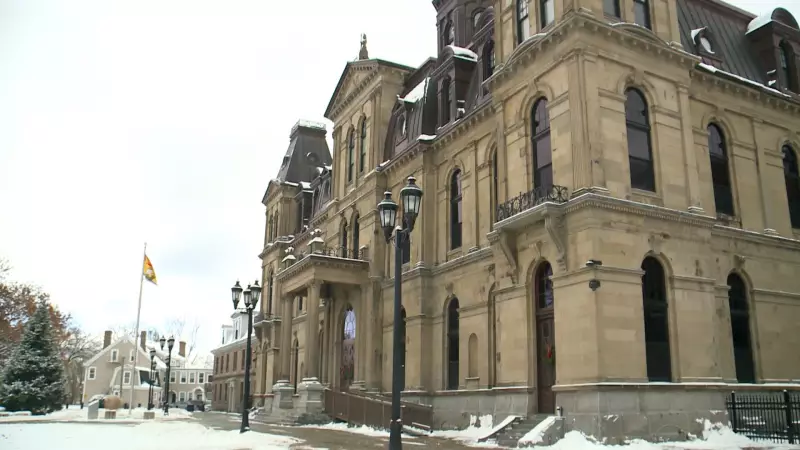
The report comes amid the broader political landscape in Fredericton, where the provincial legislature is located. It raises questions about the criteria used to prioritize infrastructure projects across New Brunswick's diverse communities. Proponents of the government's spending decisions will likely argue that all investments are made based on technical assessments, safety needs, and long-term economic planning.
Implications for Governance and Trust
This discovery touches on a perennial issue in politics: the perception or reality of partisan advantage in spending. It challenges the principle that public infrastructure money should be distributed based on objective need, safety, and regional development goals. The analysis will likely fuel calls for more transparent and criteria-based funding models to ensure all regions of New Brunswick receive their fair share of provincial investments, regardless of who represents them in the legislature.
The next steps will involve scrutiny from opposition parties, media, and the public, potentially leading to demands for a more detailed government response or an independent review of the infrastructure funding allocation process.






