Montreal News Associations Denounce Quebec's Selective Collection Reform
Montreal news associations have issued a strong condemnation of Quebec's selective collection reform, highlighting significant implementation problems since the new recycling rules took effect in January 2025. The reform, designed to improve waste management across the province, has instead led to overflowing recycling bins and operational challenges that have drawn widespread criticism from media organizations and residents alike.
Implementation Challenges and Public Response
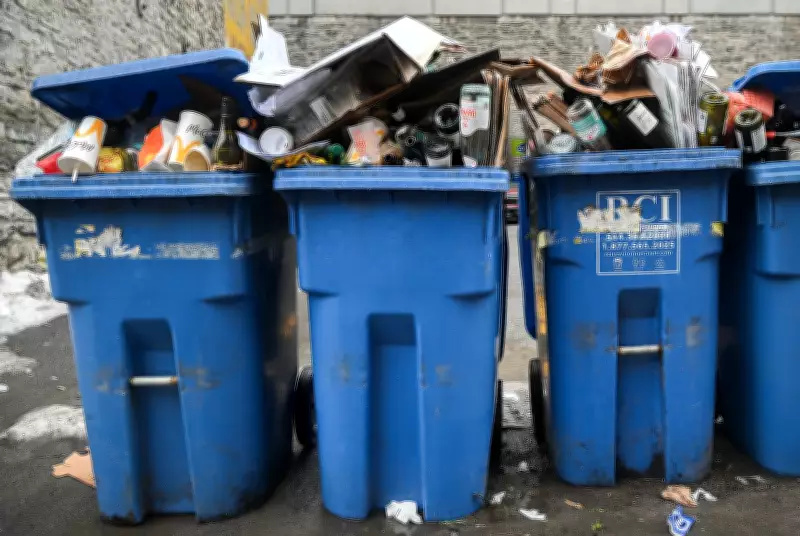
The selective collection reform, which Quebec implemented at the beginning of 2025, was intended to streamline recycling processes and increase environmental sustainability. However, Montreal news associations report that the transition has been far from smooth. Photographic evidence from January 1, 2025, shows recycling bins overflowing across Montreal neighborhoods, indicating that the new system has struggled to handle the volume of recyclable materials generated by residents.
Media organizations have documented numerous complaints from citizens who find the new rules confusing and impractical for daily use. The reform requires residents to separate materials more precisely than before, but many report receiving contradictory information about what can and cannot be recycled under the updated guidelines. This confusion has contributed to the overflow problems observed throughout the city.

Environmental and Operational Concerns
Beyond the immediate visual problem of overflowing bins, news associations express concern about the environmental impact of the reform's implementation issues. When recycling containers overflow, materials often end up scattered by wind or animals, potentially contaminating other waste streams or entering natural environments. This undermines the very environmental goals the reform was designed to achieve.
The operational challenges extend beyond collection points. News reports indicate that processing facilities have struggled to adapt to the new separation requirements, creating bottlenecks in the recycling chain. These logistical problems have reduced the efficiency of Quebec's recycling system at a time when environmental sustainability is increasingly important to both policymakers and the public.
Broader Context and Future Implications
Quebec's selective collection reform represents a significant shift in provincial waste management policy, but its troubled implementation has raised questions about planning and communication. Montreal news associations argue that better consultation with municipalities and clearer public education campaigns could have prevented many of the current problems.
The criticism from media organizations comes as Quebec continues to develop its environmental policies. The province has positioned itself as a leader in sustainability initiatives, but this reform's challenges demonstrate the difficulties of translating policy into practice. News associations emphasize that effective waste management requires not just new rules but also the infrastructure and public understanding to support them.
As Quebec works to address these implementation issues, the experience serves as a cautionary tale for other jurisdictions considering similar reforms. The Montreal news associations' condemnation highlights the importance of thorough planning and community engagement in environmental policy changes, ensuring that well-intentioned reforms achieve their intended benefits without creating new problems.