

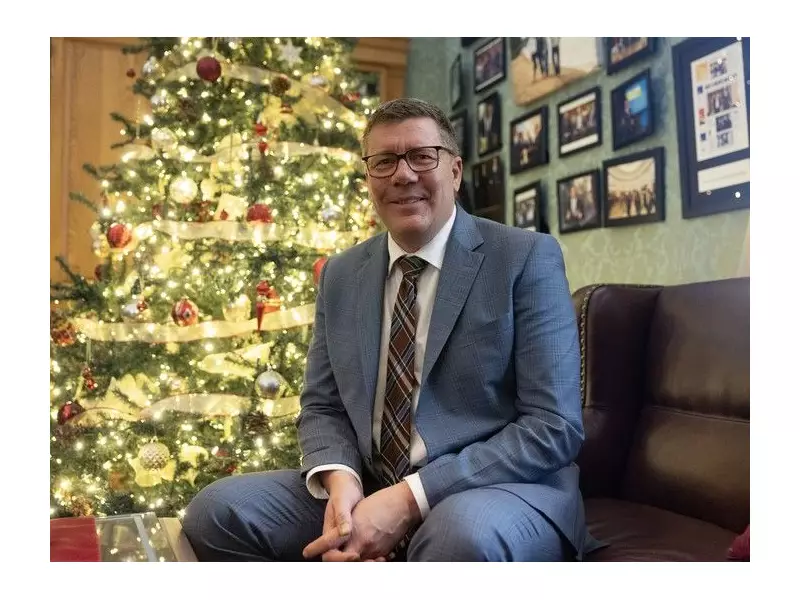
In a year-end interview from his Regina office, Saskatchewan Premier Scott Moe reflected on a 2025 defined by significant external pressures and internal challenges. His province navigated a complex geopolitical landscape, severe natural disasters, and a shifting dynamic with the federal government.
A Triple-Threat Trade War
The year saw Saskatchewan's vital export economy hit from multiple directions. While the high-profile tariff dispute between U.S. President Donald Trump and Canadian Prime Minister Mark Carney captured headlines, Premier Moe was simultaneously managing the fallout from that conflict alongside new, punitive levies imposed by China and India. This multi-front trade war presented a persistent and serious threat to the province's economic stability throughout the year.
Devastation from the North: Record Wildfires
Separate from economic pressures, Saskatchewan faced a dire environmental and humanitarian crisis in its northern regions during the summer of 2025. Record-setting wildfires forced residents to flee their homes, with communities like Denare Beach and the hamlet of Weyakwin facing significant threats. In his reflection, Moe acknowledged a key lesson learned: the need for better collaboration with northern communities and the federal government on fire-smarting initiatives to protect infrastructure and give residents confidence to rebuild.

The Premier expressed a personal regret, stating he "should have put some of those things aside to go to the community sooner." He emphasized that listening directly to affected families should have been a higher priority amidst the crisis.
A Changing Federal Landscape and Policy Shifts
Amidst these trials, Premier Moe noted a discernible shift in the relationship with the federal government under Prime Minister Mark Carney. He described Carney as "much more open to consulting and listening and working together to find a collaborative path forward," signaling a potential thaw after periods of friction on various national policies.
On the domestic policy front, Moe addressed the controversial Compassionate Intervention Act, proposed legislation for involuntary drug treatment introduced in the fall 2025 legislative session. He framed the current period as one for "open discussion" before potential passage in the spring of 2026, welcoming tweaks and amendments. The goal, he stated, is to create an effective tool for families, police, and physicians to help a "remarkably low number of individuals" onto a path to recovery.
Financially, the province's fiscal picture shifted dramatically from a projected small surplus to a $427-million deficit in its mid-year update, a result of the compounding pressures faced throughout 2025.
Overall, Premier Moe's retrospective paints a picture of a province tested by global economic forces, climate-driven disasters, and complex social issues, while cautiously navigating a new chapter in federal-provincial cooperation.






